What Are The 7 Best-Selling Youth Baseball Gloves Under $60
Let’s be real—baseball gear can get expensive real fast.
And when your kid’s glove starts falling apart mid-season, the timing’s never great.
But you don’t have to spend a fortune to find something solid.
We searched Amazon’s most popular youth gloves and found 7 affordable options that hit the sweet spot between price, performance, and practicality.
Whether you need a quick replacement, a backup glove, or something for a first-time player, these budget-friendly picks deliver.
⚠️ Note: These aren’t the highest-end gloves on the market—but they are among Amazon’s most popular sub-$60 options.
For beginners, practice gloves, or families watching costs, they offer great bang for your buck.
Disclosure: This page contains affiliate links. If you make a purchase through one of these links, I may earn a commission—at no extra cost to you. As an Amazon Associate, I earn from qualifying purchases.
1. Franklin Sports Baseball + Softball Glove
💵 Around $22 on Amazon
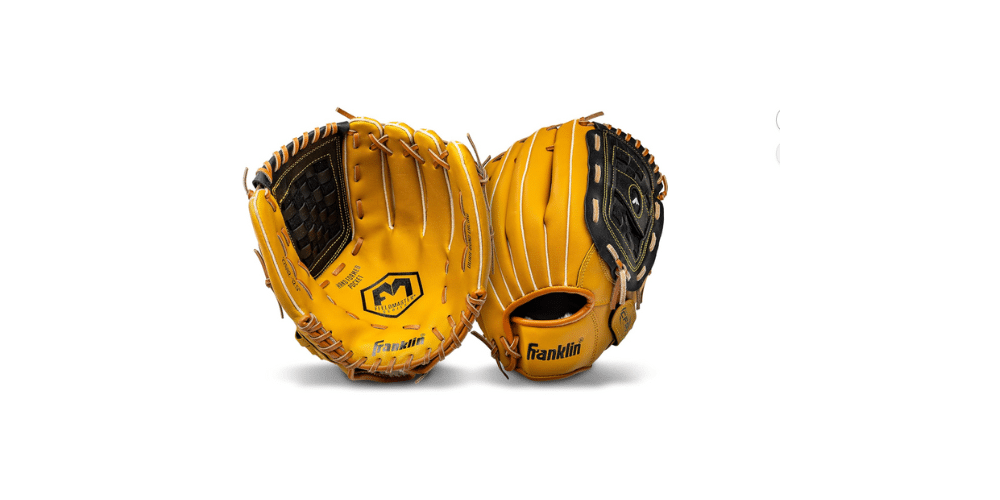
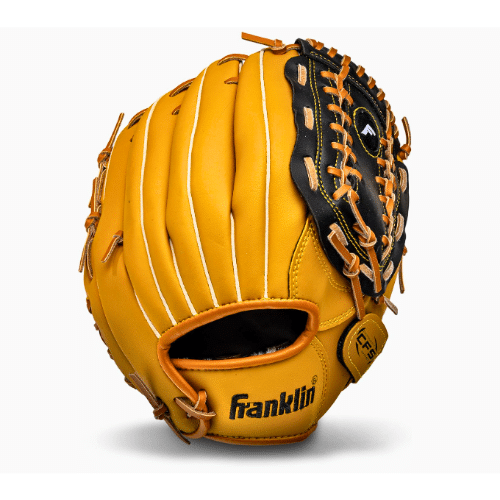
The Franklin Sports Baseball + Softball Glove—particularly the Field Master series—is one of Amazon’s top-selling entry-level gloves.
Designed for casual or beginner use, it’s widely used by parents introducing their kids to the basics of the game.
✅ Affordability & Audience Fit:
Franklin gloves are praised for their low price, making them ideal for young kids ages 2–6, especially those starting out in t-ball or backyard play.
They’re often described as “good first gloves” by parents not yet ready to invest in premium leather.
🧵 Material & Durability:
Made from synthetic materials (like plastic, PVC, and faux leather), this glove keeps costs low—but durability suffers.
Some parents report issues like fraying, poor stitching, and even tearing after a season of moderate use.
Many say the glove overdelivers for the price—but only if your expectations are realistic.
It’s not made to last multiple seasons, but it’s perfect for parents who just want something quick and affordable for a first glove.
Durability is the biggest complaint. Once your player starts taking the game more seriously, it’s time to upgrade.
Pros and Cons
2. Rawlings | Players Series T-Ball & Youth Baseball Glove
💵 Around $28 on Amazon
The Rawlings Players Series glove is a go-to for parents introducing their kids to baseball.
Designed with soft materials and an easy-close shell, it’s built for success in those early seasons—without requiring any break-in time.
This glove is consistently praised for being lightweight, flexible, and immediately usable.
🧵 Appearance & Construction:
It has a “mini pro-style” look with bold colors and clean stitching that make young players feel legit.
Several parents said their kids loved the look just as much as the feel.
🔧 Material & Durability:
Made with a synthetic shell, the glove is built for beginners—not long-term durability.
Parents report it holds up well during a season of t-ball, but expect to upgrade once kids begin playing more competitively.
Bottom Line: A dependable beginner glove that does its job well.
At under $25, it’s a solid investment in your kid’s first catch.
Pros and Cons
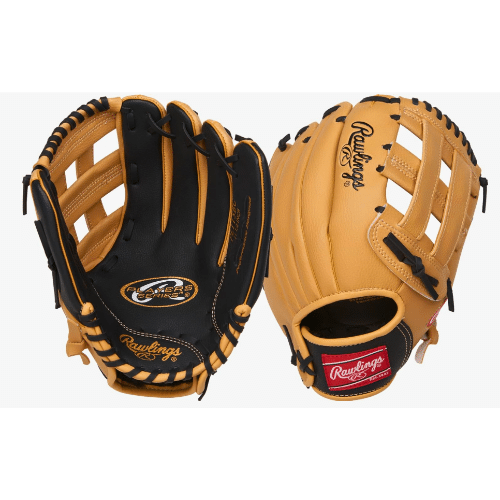
3. Rawlings Remix Series (9″)
💵 Around $20 on Amazon
The Rawlings Remix Series is built for the very beginning of a young player’s journey.
Whether it’s for t-ball, backyard catch, or simply learning how to close a glove, this lightweight 9″ model is easy to use, and budget-friendly.
It’s soft, flexible, and requires zero break-in, which is a major plus for kids still learning how to squeeze and catch.
Parents often note how easy it is for their kids to use the glove right away—without frustration.
🎨 Kid-Friendly Look & Feel:
Kids love the way it looks—and let’s be honest, getting a 4-year-old excited about gear sometimes starts with color.
🧵 Build & Durability:
This glove is made from synthetic materials, which makes it affordable and super lightweight—but it’s not built to last forever.
It’s great for occasional use, casual play, or first-season t-ball, but don’t expect it to hold up through heavy practice or multiple years of play.
Bottom Line: This is a great starter glove for kids who are brand new to baseball.
Pros and Cons
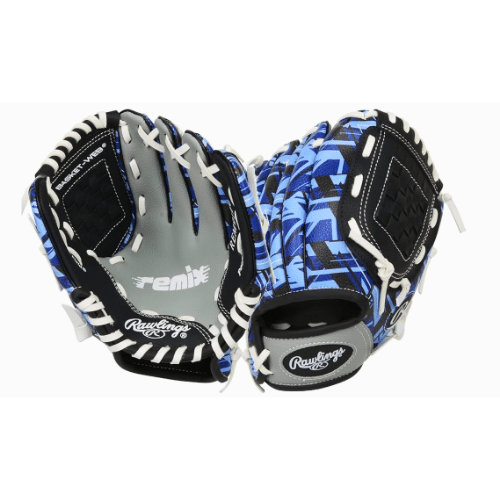
4. Franklin Meshtek Glove + Ball Set
💵 Around $25 on Amazon
The Franklin Meshtek Glove + Ball Set is a lightweight starter glove designed for kids who are just starting baseball.
It’s soft, it’s easy to use, and it comes with a foam ball so your child can get to work (or play) right away.
✅ Super Lightweight & Easy to Close
This glove is perfect for small hands.
The soft mesh shell is light, flexible, and easy for young kids to open and close.
It doesn’t require any break-in at all—just take it out of the packaging and go play catch.
🎯 Best for Backyard or First-Time Use
It’s not built for league games, but that’s not the point.
This glove shines in the backyard, the park, or even indoors with the included soft ball.
Because it’s made from synthetic materials, the glove isn’t meant to last more than a season.
Most parents find it serves its purpose well—until their child is ready to get serious.
At that point, you’ll want to upgrade to something more durable, like a leather glove.
Bottom Line: The Meshtek glove is a soft, no-pressure way to introduce your child to baseball.
It won’t hold up forever, but for young first-timers, it’s hard to beat the comfort, simplicity, and price.
Pros and Cons
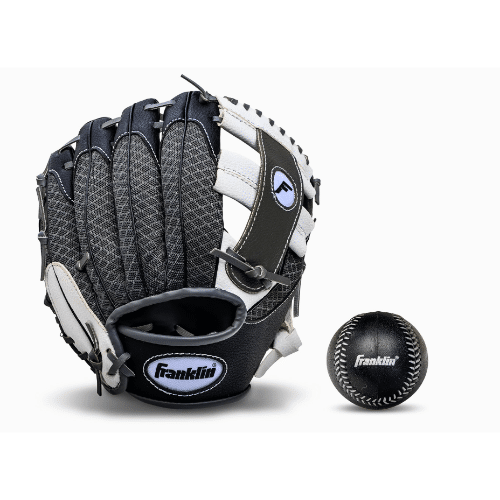
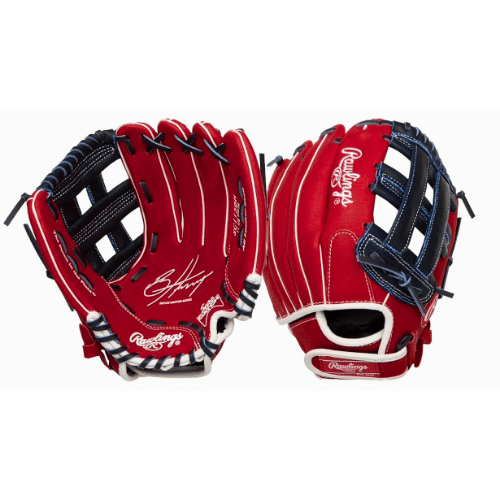
5. Rawlings Select PRO LITE Youth Glove (“Pro Player Models”)
💵 Around $54 on Amazon
The Rawlings Select PRO LITE is the glove many parents describe as their kid’s “first real glove.”
It’s made with soft, genuine leather that feels great from day one—making it a smart step up from the synthetic starter gloves.
Modeled after pro-player versions (like the Kris Bryant style), it’s a great entry-level choice for youth players serious about the game.
This glove has a softer leather shell that’s easy to break in, even for younger players.
Parents love that it doesn’t require weeks of pounding or stretching—most kids can start using it right away with just a little shaping.
It closes easily and gives kids a sense of control and confidence, whether they’re in the infield or just learning fundamentals.
🎯 A Step Up in Quality—Without the Price Jump
While it’s not pro-grade, it offers real leather performance at a price that feels fair for families.
It’s ideal for kids playing in rec leagues or early competitive levels who are ready to move beyond backyard gloves—but not quite ready for $150+ gear.
🛠️ What to Expect
- Durability is solid for casual and league play. With decent care, it’ll last a couple of seasons.
- Padding may wear if used heavily day after day.
- The “Pro Player” models are a fun touch—kids love using gloves modeled after MLB stars.
Bottom Line:
If your kid is ready to move beyond starter gloves, this is a fantastic value.
It’s soft, stylish, and made to help youth players gain confidence and skill—without asking parents to shell out big-league money.
Pros and Cons
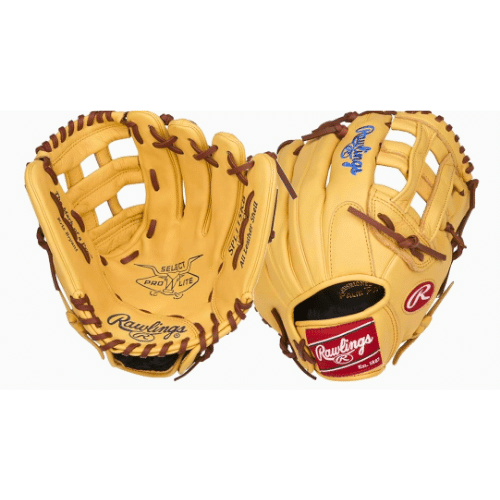
6. Rawlings Sure Catch Youth Glove
💵 Around $42 on Amazon
The Rawlings Sure Catch glove is soft, lightweight, and easy to handle.
It breaks in quickly—sometimes even feels game-ready right out of the box—and is designed to open and close more easily than many entry-level gloves.
🛠️ Build & Durability
The glove is made with soft leather and synthetic laces.
It’s a step above plastic t-ball gloves, but not built for serious wear-and-tear.
Some parents even swap in real leather laces to improve its longevity and feel.
For casual play or rec leagues? It’s great. For daily practice or competitive ball?
You’ll probably want something beefier.
Bottom Line:
If you’re looking for a beginner glove that won’t cause frustration, the Sure Catch hits the mark.
It’s comfortable, affordable, and easy for young players to handle. Just know it’s a short-term solution—and you may need to upgrade sooner than you expect.
Pros and Cons
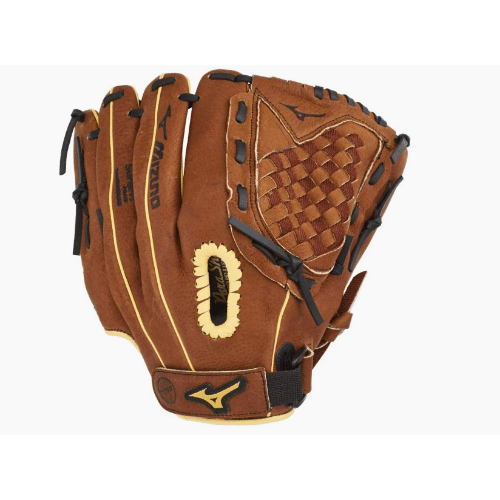
7. Mizuno Prospect PowerClose Youth Glove
💵 Around $48 on Amazon
The Mizuno Prospect PowerClose is one of those gloves that consistently earns parent trust—and coach approval.
Designed for young players ages 6 to 9, it’s best known for its unique PowerClose technology, which makes it easier for small hands to actually catch and control the ball.
It’s soft, flexible, and practically game-ready right out of the box.
That means no breaking it in with a mallet or wrapping it in rubber bands.
Parents appreciate that it’s usable on day one—and kids love that it feels comfortable and responsive.
Bottom Line:
The Mizuno Prospect PowerClose is one of the most recommended starter gloves for a reason.
It’s soft, comfortable, and confidence-boosting—and for kids learning to field, that makes all the difference.
If you’re looking for a glove that helps your child fall in love with the game, this one deserves serious consideration
Pros and Cons
🙋♂️ FAQs: Choosing the Right Youth Glove (Without Breaking the Bank)
1. What size glove does my kid need?
👉 For tee-ball and early youth leagues (ages 4–7), go with 9″–10.5″.
Ages 8–10 typically need 10.5″–11.5″, depending on hand size and position.
2. Is a leather glove better than synthetic?
👉 Leather usually lasts longer and shapes better over time, but synthetic gloves are lighter, easier to break in, and more affordable—perfect for younger or first-time players.
3. Do I need to break these gloves in?
👉 Most under-$60 gloves come 80–90% broken in already. That’s good news. Still, have your kid use it around the house (with a ball) to shape the pocket before game day.
4. Is it okay to buy a glove that’s “a little big” so it lasts longer?
👉 Not really. A glove that’s too big makes catching harder, slows development, and increases frustration. Go for fit now—upgrade later.
5. What’s the best glove here for a beginner?
👉 For backyard catch or casual learning: Franklin Meshtek or Rawlings Remix.
For league play or practices: Rawlings Sure Catch or Mizuno Prospect are more game-ready.
✅ Final Glove Check
Need something game-ready, affordable, and built for small hands? You don’t have to spend a fortune to get it.
These 7 gloves prove you can still make a smart, durable choice under $60—whether your kid’s just starting teeball or growing into a more advanced level of play.
Want more budget gear breakdowns? Check out our weekly blog at Box-Seats.com and sign up for our weekly newsletter for gear tips, deals, and smart baseball insights for families.