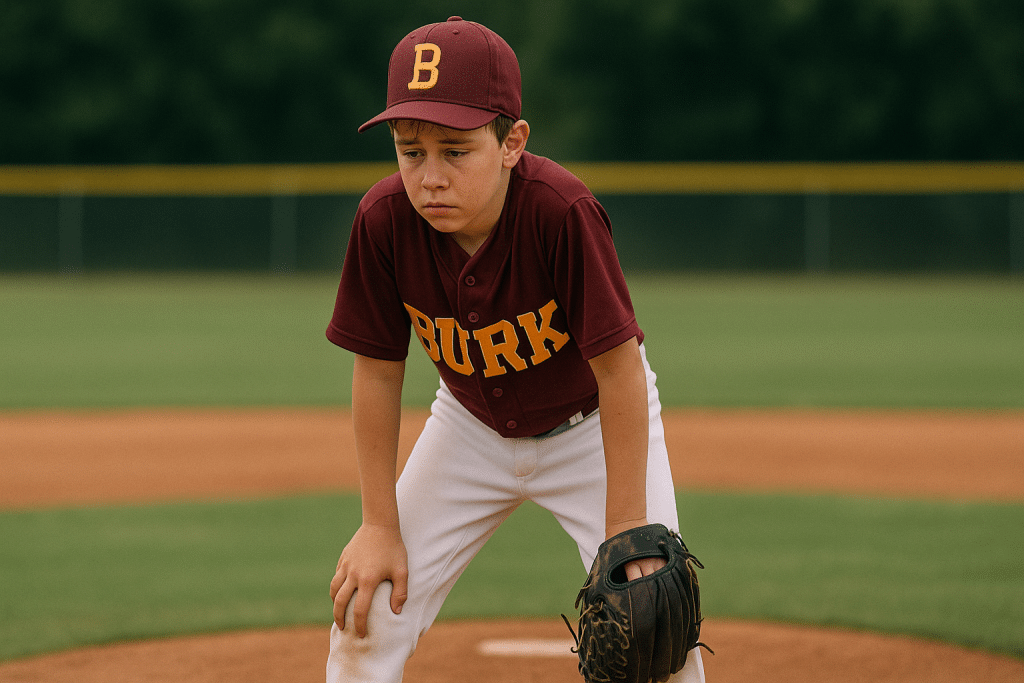
Is Your Child Burned Out?
😓 “Do I have to go to practice today?”
You’ve heard it once. Then again. And now it’s every day.
Your child, once obsessed with baseball—wearing their glove around the house and begging for extra swings—is suddenly dragging their cleats to the car, showing up late to the dugout, or skipping out on backyard catches altogether.
Is it just a phase? Or something more serious?
Youth baseball burnout is real.
And with more kids playing year-round and pressure mounting from every direction—coaches, travel teams, tournaments—it’s no wonder some young players hit that emotional wall.
Let’s break it down: what burnout looks like, how to fix it, and when it’s not just OK—but necessary—to take a break.
⚠️ What Exactly Is Youth Baseball Burnout?
Burnout isn’t just being “tired.”
It’s a mix of physical exhaustion, mental fatigue, and emotional detachment—often from doing something a kid used to love.
According to the American Academy of Pediatrics, burnout in youth sports often comes from:
- Too much training with too little rest
- High expectations with no downtime
- Specializing in one sport too early
Think of your child’s brain like a smartphone. If you never close the apps—just keep running them all at once—eventually it slows down, freezes, or dies completely.
Burnout is that frozen screen moment for young athletes.
The warning signs aren’t always obvious. They can sneak in slowly. That’s why recognizing the early cues matters.
🔍 Spot the Signs Early
Not sure if it’s burnout or just a rough patch? Start here:
🚩 Red Flags to Watch For
- Lack of excitement about practice or games
- Increased complaints of soreness or fatigue
- Mood swings or irritability around baseball topics
- Falling performance despite effort
- Wishing for rainouts (every week)
💡 Pro Tip: Ask your child what they would do with a surprise free Saturday. If “play catch” or “hit in the cage” isn’t even on the list, it’s time to check in.