
How to Store Your Baseball Glove Properly in the Offseason
With the last out of the last game of the season, most kids toss their gear bag into a corner and forget about it until spring. No harm done… until you pull the glove out in March and it feels like a piece of cardboard. Dry. Stiff. Misshapen. The pocket that you worked all season to build? Gone.
What you do with your glove in the off season matters. You don’t need to be a leather expert to store a glove the right way. Buy with a few simple steps and a smart storage spot, your child’s glove will stay soft, shaped, and ready to go when the next season rolls around.
A glove is more than a piece of equipment—it’s comfort, confidence, and the feel a player trusts. And leather is a living material. It reacts to heat, cold, moisture, pressure… and neglect.
Proper offseason storage is important because it:
- Preserves the glove’s shape. The pocket you build doesn’t stay forever on its own.
- Prevents cracking and dryness. Leather dries out faster than most parents realize.
- Avoids mold and mildew. Especially in damp gear bags.
- Extends the glove’s lifespan. A well-cared-for glove can last years longer.
- Helps kids start next season confident. Nothing feels worse than fighting a stiff glove on day one.
Disclosure: This page contains affiliate links. If you make a purchase through one of these links, I may earn a commission—at no extra cost to you.

Step-by-Step Offseason Glove Care Routine
Here’s the simplest, most parent-friendly routine you can follow—no nonsense, no weird hacks, no overthinking.
1. Clean the Glove (Gently)
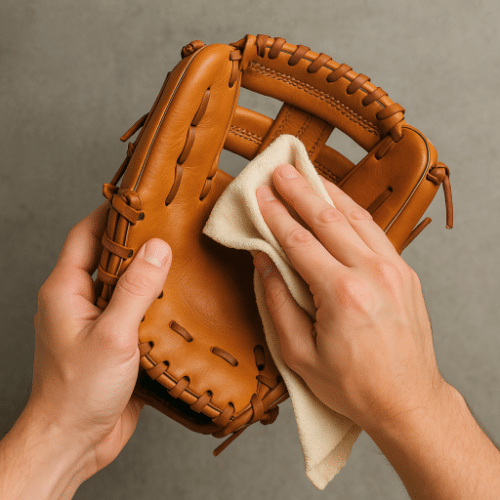
Grab a soft cloth, lightly dampen it, and wipe the glove down to remove dust, dirt, and infield debris. You’re not giving it a bath—just removing the grime it collected all season.
Why it matters:
Dirt traps moisture. Moisture ruins leather. A quick wipe keeps the glove from molding or stiffening.
Pro Tip: Skip soaps and cleaners. Plain water does the job without stripping leather oils.
2. Air-Dry the Glove
If the glove has gotten wet recently—end-of-season rain game, sweaty practices—let it dry naturally at room temperature.
No blow-dryers.
No heaters.
No sun baking.
Why it matters:
Heat dries leather unevenly, causing cracks. Slow drying keeps fibers healthy.
Pro Tip: Stuff the glove with a clean hand towel while it dries to help absorb moisture without changing its shape.

3. Condition the Leather (Lightly!)
This is the step parents overdo the most. You only need a small amount of glove conditioner or oil. Focus on:
- The palm
- The pocket
- The fingers
- The laces
Rub it in using your fingers or a soft cloth.
Why it matters:
Conditioner replaces the natural oils leather loses over time. Too much of it, though, makes the glove heavy, mushy, or even causes it to deteriorate faster.
Pro Tip: A pea-sized amount per area is enough. If the glove looks shiny or greasy, you’ve gone too far.

4. Shape the Glove
This is what keeps the pocket your kid loves.
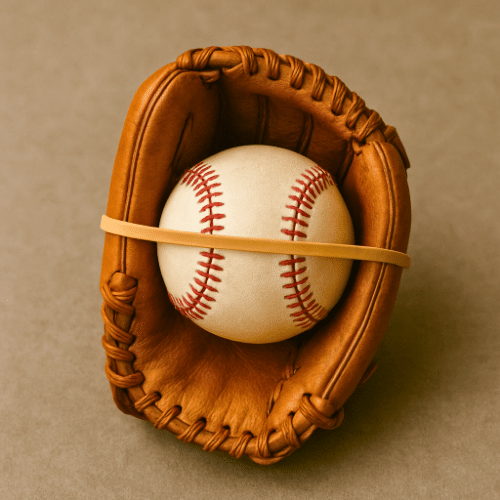
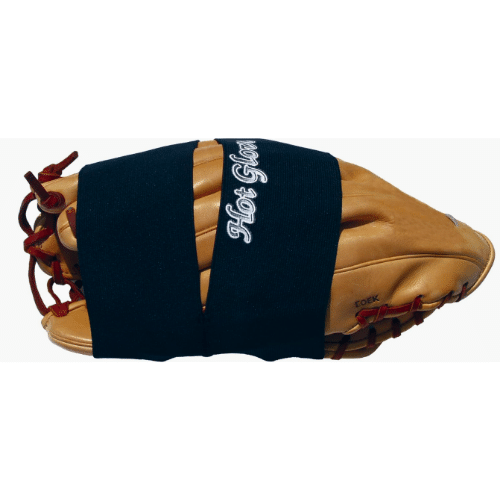
Place a baseball or softball in the glove’s pocket, form the glove around it, and wrap it using:
- A glove wrap
- A wide rubber band
- A belt
- A glove case
You’re not trying to crush the glove—just gently secure it in the shape your player prefers.
Why it matters:
Leather has memory. If you leave a glove unwrapped for months, that memory fades fast.
Pro Tip: If your kid likes a deep pocket, use two baseballs stacked diagonally before wrapping. It holds the shape beautifully.
5. Store the Glove in the Right Spot
This is the biggest game-changer and the most common mistake.
The glove should live:
- Indoors
- At room temperature
- In a dry, breathable space
- Away from heaters, radiators, windows, or damp areas
Do NOT store the glove in:
- The garage
- The basement
- The attic
- A shed
- A sealed plastic bag
- The gear bag hidden under winter coats
Those places swing between hot, cold, damp, and bone-dry—the four horsemen of glove destruction.
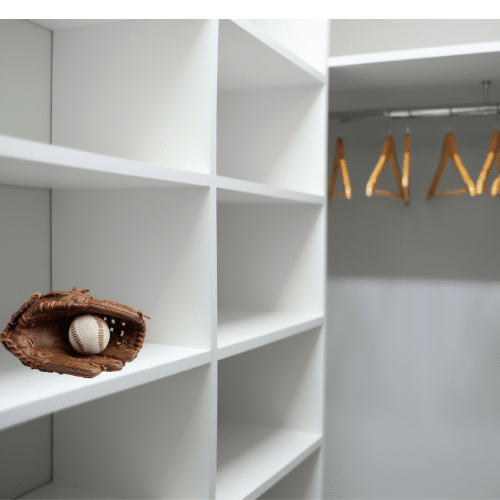
Pro Tip: A closet shelf or a dedicated “gear zone” in your kid’s bedroom is perfect.
How to Create a Simple “Glove Home” in Your House
Glove care becomes effortless when it has a permanent place to live.
Here’s all you need to build a tiny “home dugout”:
- A shelf or open bin
- A breathable cloth bag or small mesh bag
- A glove wrap
- A spot away from windows and heaters
Place the wrapped glove there after the season, and that’s it. Kids love knowing exactly where their gear goes—and you won’t be tearing the house apart looking for it next spring.
Pro Tip: Turn it into a system: glove, hat, and cleats stored together, with bats in a vertical corner rack nearby.
Preseason Glove Check (Two Months Before Spring)
When baseball edges back onto the calendar, give the glove a quick once-over.
Flexibility
If the glove feels stiff, add a tiny amount of conditioner and play catch for a few minutes.
Laces
Loose, frayed, or cracked laces are normal after a long season. Better to re-lace now than during the first tournament.
Pocket Memory
If the pocket lost shape, repeat the ball-and-wrap process overnight.
Cracks or dryness
If the leather cracked, that section needs conditioning—but go light.
Smell/Tackiness
Musty odors mean the glove absorbed moisture somewhere. Air it out and inspect for mold.
Pro Tip: A $5 lace adjustment from a local sporting goods shop can bring an old glove back to life instantly.
FAQs
Can I leave my child’s glove in their gear bag all winter?
You can, but you shouldn’t. Gear bags are often tossed into garages or closets that get too cold, hot, or damp. Gloves lose shape and dry out fast in bags.
Do I really need glove conditioner?
A tiny amount once or twice a year helps keep leather healthy. Avoid household oils—they break down leather fibers and shorten glove life.
Should I store a glove with a ball in the pocket?
Yes. Storing with a ball (or two) maintains pocket shape and keeps the glove feeling broken in.
Is it okay to use the sun or heat to dry a wet glove?
No. Heat dries leather unevenly and causes cracking. Always dry gloves slowly at room temperature.
What if the glove gets moldy?
Clean lightly with a damp cloth, let it fully dry, and use a tiny amount of conditioner. If mold keeps returning, the storage area is too damp.
How long should a youth glove last?
With proper care, 2–4 years is common—sometimes longer. Most gloves fail early due to poor storage, not heavy use.
Conclusion
A baseball glove is more than leather and laces—it’s confidence your kid carries into every practice, every game, every play. Storing it right in the offseason takes just a few minutes and pays off all spring long.
Keep it clean, keep it shaped, and keep it indoors, and that glove will stay soft and game-ready for years


