Stress Sensors for Baseball Pitchers: 5 Must-Try Wearables for 2025
Introduction
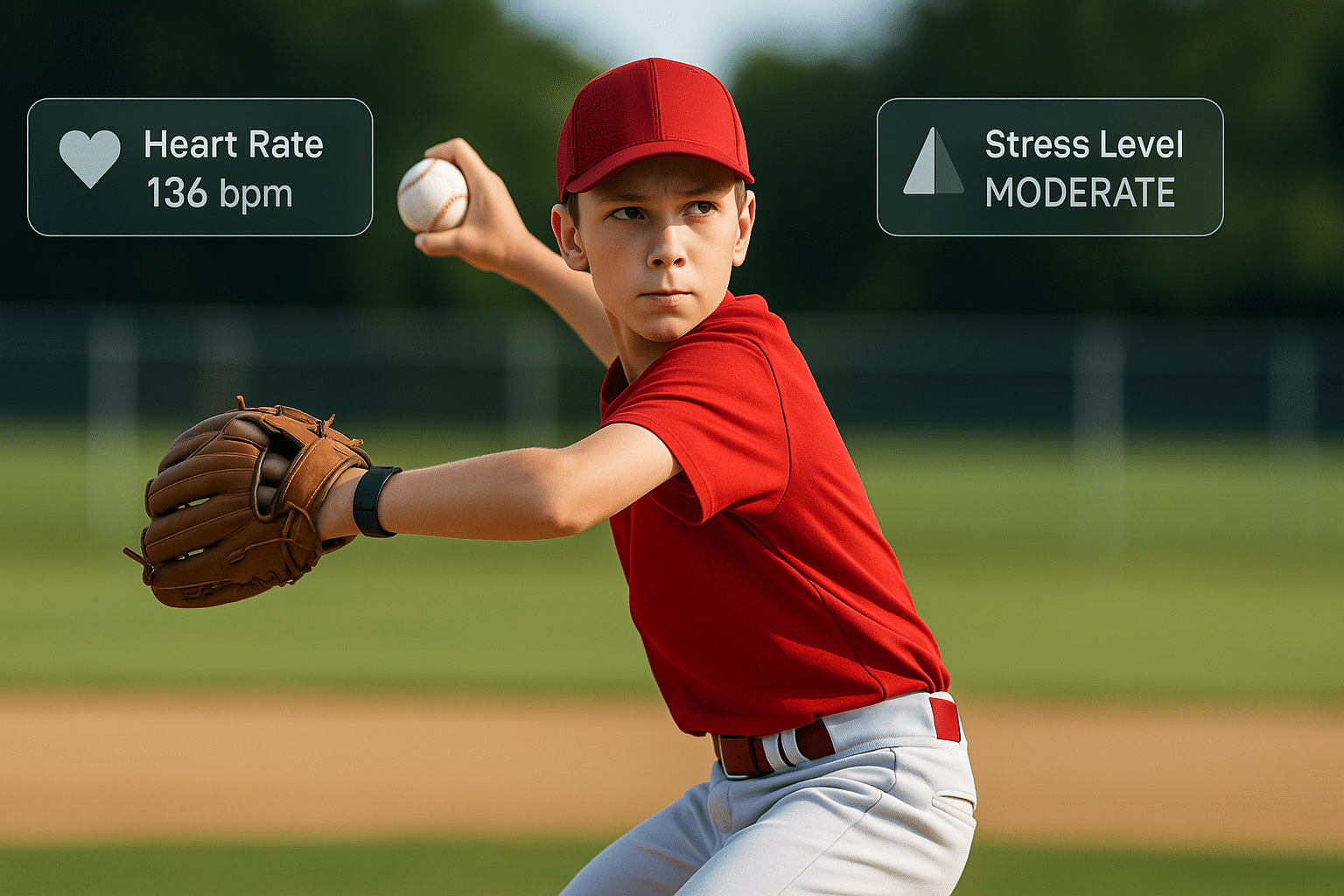
If you have a child on the mound, you know the constant worry about protecting their arm. Pitch counts help, but they can’t tell you how tired they really are — or when it’s time to shut things down before an injury turns a fun season into months of rehab.
That’s where today’s smart baseball tech comes in. In 2025, we finally have tools that go beyond pitch counts — tracking elbow torque, and even recovery readiness — all from your phone.
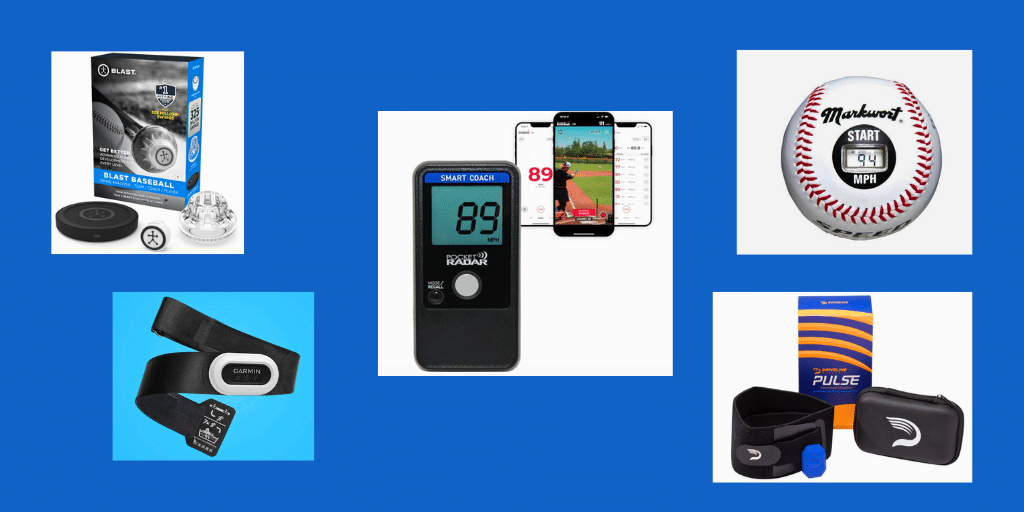
Whether you’re coaching a travel-ball team or just working with your kid in the backyard, these five game-changing wearables make it easier to protect arms, avoid overuse, and keep the game fun.
Disclosure: This page contains affiliate links. If you make a purchase through one of these links, I may earn a commission—at no extra cost to you. As an Amazon Associate, I earn from qualifying purchases.
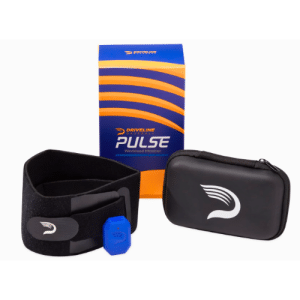
1. Driveline PULSE Throw Workload Monitor
Take the guesswork out of pitch counts.
Who It’s For:
Serious youth and travel-ball pitchers, high school players, and parents who want hard data — not just a rough pitch count — to know when it’s time to rest.
Why You’ll Love It:
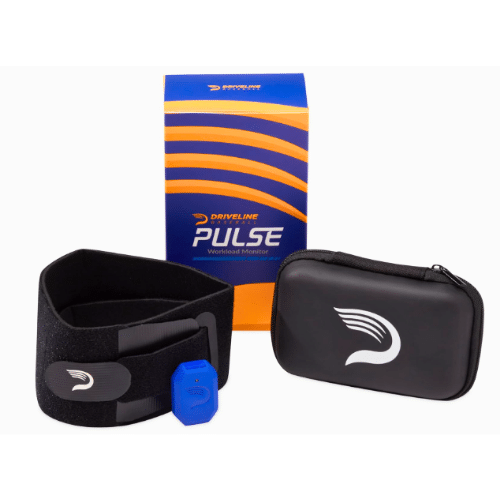
PULSE straps on your pitcher’s forearm and tracks torque, velocity, and total throw count (games, bullpens, warm-ups). Instead of debating whether they can throw one more inning, you’ll have objective numbers to guide the decision — and protect their arm.
Key Features:
- Tracks elbow torque, arm speed, acceleration, and total throw volume
- Generates easy-to-read workload scores
- Integrates with Driveline TRAQ for rest/recovery planning
- Reliable Bluetooth connection + upgraded 2025 app interface
What Parents & Coaches Say:
Families call PULSE a “season saver,” helping them catch fatigue early and avoid overuse injuries — especially for kids who throw year-round.
Coaches love that it gives them a clear picture of which pitchers need rest. A few note there’s a slight learning curve when setting it up and learning to interpret the metrics.
Pros:
- Most accurate arm-stress data available
- Trusted by college programs and pro teams
- Makes rest-day planning simple and defensible
Cons:
- Higher price point (around $300)
- Requires consistent tracking and app check-ins
Bottom Line:
If you want the most precise way to monitor arm stress and protect your pitcher’s future, PULSE is still the gold standard.
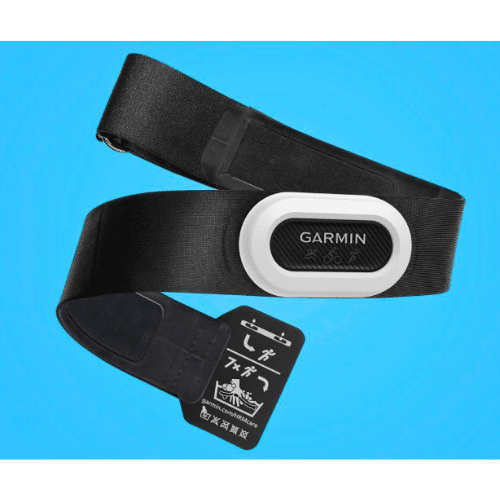
2. Garmin HRM-Pro Plus
Your recovery and readiness sidekick.
Who It’s For:
Pitchers (and two-way players) who want to know when their body is ready to go — and when it’s time to back off. Perfect for travel-ball families juggling packed weekends or athletes who play multiple sports.
Why You’ll Love It:
The Garmin HRM-Pro Plus goes beyond basic heart-rate tracking by measuring heart-rate variability (HRV), a proven indicator of fatigue and recovery.
Think of it as a built-in “readiness score” that helps you decide if today should be a bullpen day or a rest day.
Key Features:
- Accurate heart-rate + HRV tracking
- Seamless connection with Garmin watches and most fitness apps
- Long battery life (up to one year)
- Reliable Bluetooth and ANT+ pairing
What Parents & Coaches Say:
Families say it’s a lifesaver during busy tournament weekends, helping them avoid overworking tired arms.
Coaches find it especially useful for two-way players who log innings on the mound and at the plate. Some note it’s most valuable if you already use a Garmin watch or track multiple sports.
Pros:
- Highly accurate physiological data
- Excellent for tracking fatigue across a full season
- Long-lasting, low-maintenance battery
Cons:
- Doesn’t measure throws or elbow torque
- Works best if you check HRV trends consistently
Bottom Line:
If you want a clearer picture of recovery and readiness — not just pitch counts — the HRM-Pro Plus is a smart companion to any arm-stress tracker.ch counts.
3. Pocket Radar Smart Coach
Pro-level velocity tracking you can trust.
Who It’s For:
Serious youth, high school, and travel-ball pitchers — and the parents and coaches who want rock-solid velocity readings they can rely on for training, scouting, and game-day decisions.
Why You’ll Love It:
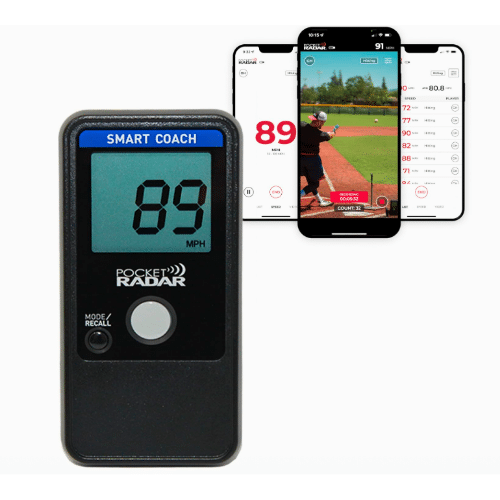
Pocket Radar is the same trusted radar used by scouts, colleges, and pro teams — and now it’s small enough to slip into your pocket.
It gives you precise velocity readings pitch after pitch and automatically logs them in the Pocket Radar app, so you can track progress, spot fatigue trends, and share data with coaches.
Key Features:
- Velocity readings accurate to within ±1 mph of pro radar guns
- Works at all regulation distances (46’ to 60’6”)
- Syncs with the Pocket Radar app for data logging and video overlay
- Compact, lightweight, and battery powered — perfect for tournaments
What Parents & Coaches Say:
Families love how easy it is to use and how motivating it is for players to chase consistent velo numbers.
Coaches say it’s invaluable for spotting velocity drops — often the first sign of pitcher fatigue — before injuries happen. Many praise its reliability compared to cheaper radar guns.
Pros:
- Professional-grade accuracy in a truly portable package
- App integration for trend tracking and video analysis
- Trusted by everyone from youth coaches to MLB scouts
Cons:
- Higher price tag than entry-level radar tools (~$399)
- App subscription recommended for full benefit
Bottom Line:
If you want the same velocity data the pros use, Pocket Radar Smart Coach is the gold standard. It’s an investment — but one that pays off by giving you data you can trust when building pitching plans.
4. Markwort Speed Sensor Baseball
Simple, affordable velocity tracking.
Who It’s For:
Families with younger pitchers who just want to see how hard they’re throwing — without the cost or setup of pro radar systems.
Why You’ll Love It:
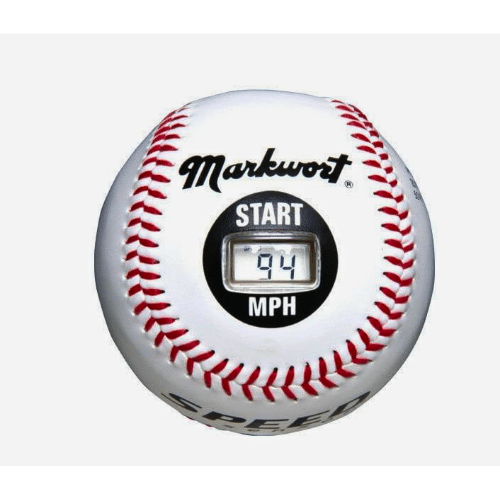
It doesn’t get easier than this: throw, read, repeat. The built-in LCD display gives you instant feedback, making it perfect for backyard practice, warm-ups, or quick bullpens.
Key Features:
- GripSense technology measures velocity at release
- Built-in LCD display shows speed instantly
- No app, subscription, or pairing required
What Parents & Coaches Say:
Parents say kids love seeing instant velo numbers — it keeps them engaged and helps spot fatigue when speeds start to drop. Some caution that it’s not ideal for higher-velocity throwers or rough outdoor surfaces like concrete.
Pros:
- Budget-friendly (typically $30–$60)
- Kid-friendly and easy to use
- Great for quick fatigue checks during practice
Cons:
- Accuracy dips at higher velocities
- Not a replacement for advanced tracking systems
Bottom Line:
A fun, affordable first step into pitch tracking — and a great motivator for younger players learning to love the game.
5. Blast Baseball Swing Analyzer (Gen 3)
One sensor, endless data for hitting (and throwing).
Who It’s For:
Families who want to track hitting improvement — and get bonus throwing data from the same device — without investing in multiple sensors.
Why You’ll Love It:
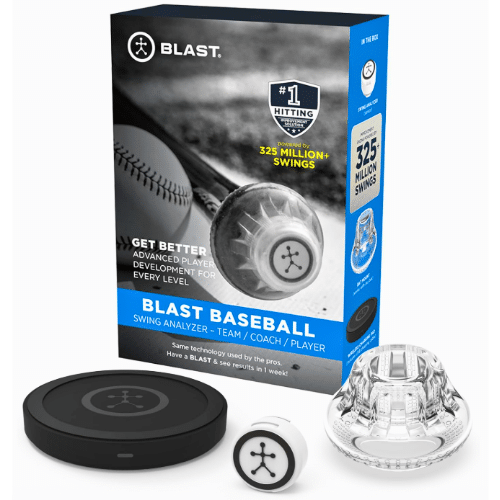
Blast attaches right to the knob of any bat and tracks swing speed, attack angle, and time to contact. The app delivers instant feedback, video overlays, and training drills that make practice more engaging. As a bonus, it can also record basic throwing metrics, giving you more value out of one tool.
Key Features:
- Quick, secure bat knob attachment
- Bluetooth sync with the Blast app
- Drills, instant feedback, and progress tracking
- Basic throwing data included
What Parents & Coaches Say:
Families say Blast makes hitting practice fun — kids love chasing better metrics and watching swing videos. Coaches like being able to track progress over time and spot mechanical trends. Some mention occasional syncing delays, and note that exit velocity isn’t as precise as a dedicated radar gun.
Pros:
- Dual-purpose tool for hitting and throwing
- Excellent app experience with training content
- Great for measuring long-term improvement
Cons:
- Full features require a subscription
- Not a full-on pitcher workload monitor
Bottom Line:
If you want a single tool that keeps kids engaged while tracking measurable progress at the plate — with bonus throwing data — Blast is a fantastic choice.
❓ FAQs About Pitching Wearables
Do these wearables replace pitch counts?
Not exactly. They make pitch counts smarter by adding context — measuring torque, fatigue, and recovery so you know when a pitcher is truly done for the day.
Are they safe for kids under 13?
Yes, most are safe for youth pitchers, but always check the manufacturer’s age guidelines and consult your coach before starting a new training tool.
Do I need a subscription?
Some products, like Blast and PULSE, offer optional subscriptions to unlock advanced features and analytics. Others, like Markwort and Pocket Radar, work with no ongoing fees.
Can these tools prevent injury completely?
No wearable can guarantee an injury-free season, but they can drastically lower the risk of overuse injuries when used consistently and paired with proper rest.
What’s the best budget-friendly option?
The Markwort Speed Sensor Baseball is the most affordable way to start tracking velocity — perfect for families who just want quick feedback without a big investment.
Which product should serious pitchers start with?
For a complete picture, start with the Driveline PULSE Throw Workload Monitor to measure arm stress and pair it with the Garmin HRM-Pro Plus to monitor recovery and readiness.
Conclusion
Keeping a pitcher’s arm healthy is one of the hardest jobs in youth baseball — but it’s a lot easier when you’ve got data on your side.
These five tools give you everything from torque readings to recovery scores to simple velocity checks.
Whether you’re ready to go all-in with PULSE or just want to start with a $40 speed ball, taking this step helps protect arms, build better routines, and keep baseball fun — which is the real goal.
Shop these 5 stress-tracking tools on Amazon and start building smarter pitching plans today:
🧢 Parents
Baseball gear doesn’t have to cost an arm and a leg (or a second mortgage).
We put together a free guide with 10 money-saving hacks to keep your kid geared up without breaking the bank.