How to Train Quickness at the Plate
🧠 Why Hitting Is So Hard (and What You Can Do About It)
It’s not about swinging harder.
It’s about reacting faster.
How fast? Try milliseconds fast.
In youth baseball, the pitch leaves the pitcher’s hand and reaches the plate in about 500 milliseconds (half a second).
In that time, the hitter has:
- ⏱️ 125–150 milliseconds to decide whether to swing
- ⏱️ Another 150 milliseconds to execute the swing
That’s faster than you can blink.
Now you know why hitting a baseball is considered one of the hardest skills in all of sports.
The swing isn’t late because of laziness. It’s because the brain and body are still syncing up.
And that tiny delay?
It’s the difference between solid contact… and a cold breeze.
Here’s the upside: reaction time can be trained.
With the right drills, tools, and a little creativity, players can sharpen their instincts—and turn those near-misses into base hits.
🧠 Why Reaction Time Matters
Reaction time isn’t just about seeing the pitch.
It’s about processing it and triggering a fast, efficient physical response.
Here’s what happens:
- 👀 Visual cue (the pitch leaves the hand)
- 🧠 Brain processes speed, spin, and location
- 💪 Muscles fire to activate swing
- ⚾ Bat meets ball—or doesn’t
All in under half a second.
Disclosure: This page contains affiliate links. If you make a purchase through one of these links, I may earn a commission—at no extra cost to you. As an Amazon Associate, I earn from qualifying purchases.

🏆 5 Keys to Training Quickness at the Plate
1. Play Color or Number Reaction Games
For Players:
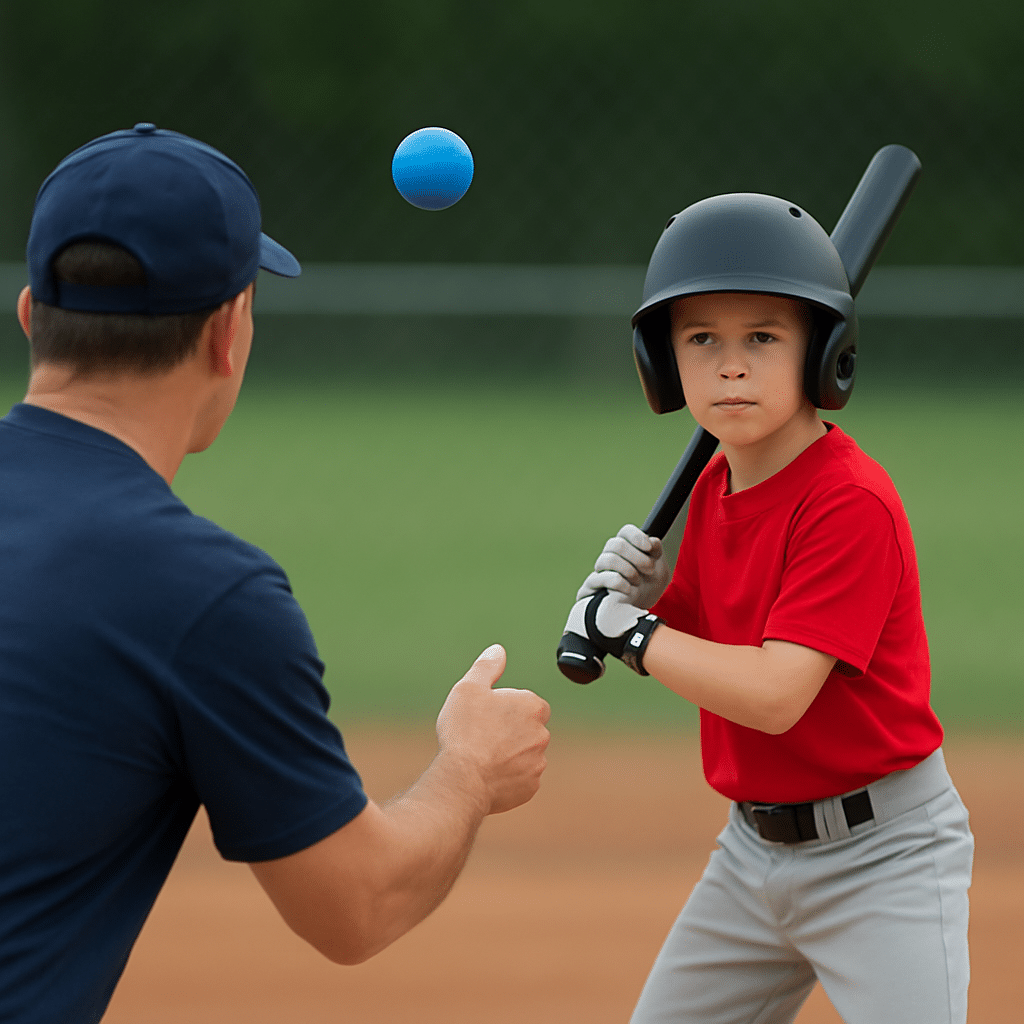
Have a partner toss marked tennis balls—call out the number or color before you swing or catch.
Why it works:
This builds fast visual recognition and sharpens decision-making under low pressure.
Parent/Coach Tip:
Start with 1–2 colored balls in soft toss, and progress to “swing only if…” versions.
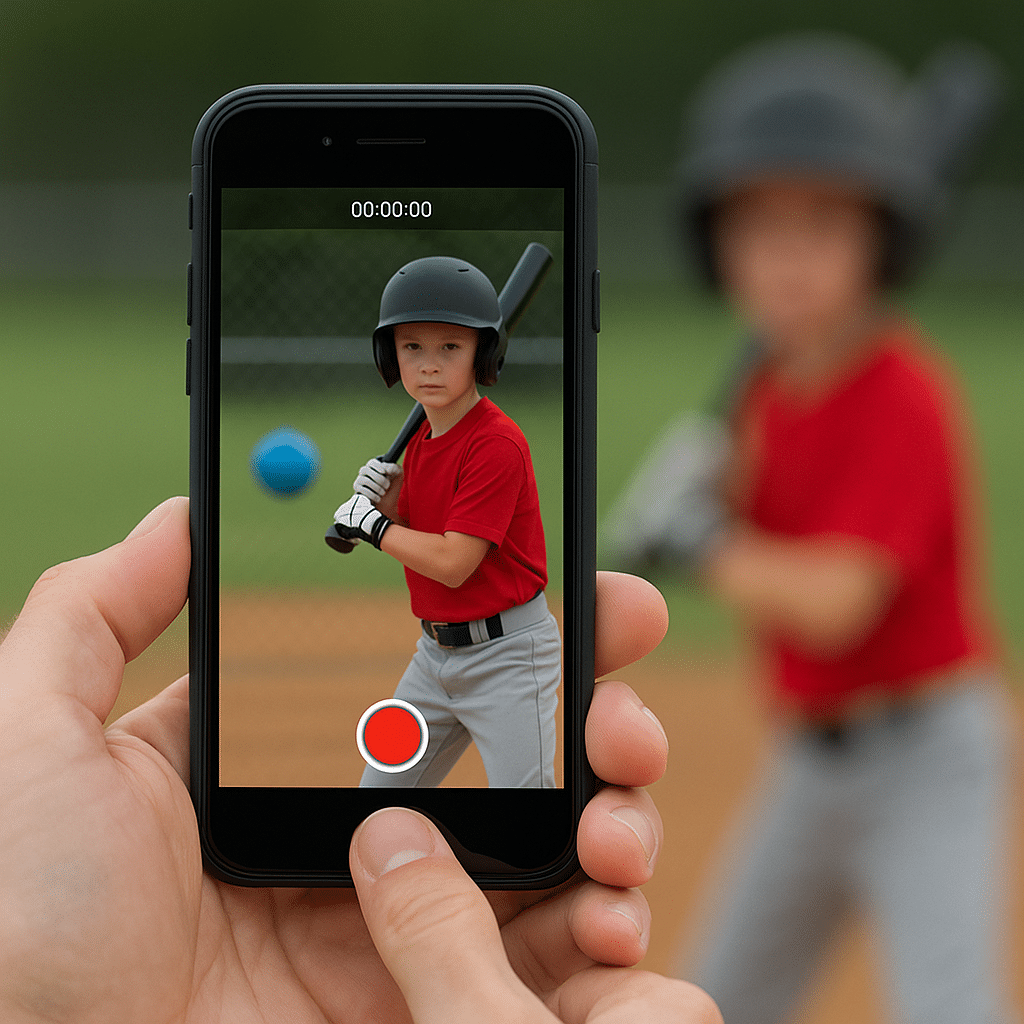
2. Use “First Move” IPhone Drills
Set up a smartphone and record your load and first move.
Ask:
- Is my swing path direct or loopy?
- Are my hands late or synced with my stride?
Why it works:
You can’t be quick at the plate if your swing mechanics are slow.
Efficient movement = faster results.
3. Eye-Speed & Reflex Training
You don’t need fancy tech. Try this:
Drill:
Toss a tennis ball off a wall.
Clap once before catching it.
Add more claps as you improve.
Bonus Tools:
Reaction balls add unpredictability and build reflex timing and focus.

4. “Timing Rounds” in Batting Practice
Structure BP to isolate timing:
- Round 1: Early load, front toss
- Round 2: On-time load, regular pitch
- Round 3: Late load, quick reaction
Ask: “Was I early, late, or on time?”
Coach Tip:
Measure timing, not just contact. You’re teaching rhythm—not just results.

5. Add Pressure with “Decision Rounds”
Use a tee or live toss:
- “Only swing if it’s the red ball.”
- “Only swing if it’s a fastball.”
Why it works:
It forces real-time decisions, simulating in-game pressure and improving recognition speed.

🛠️ Smart Tools That Help
- Blast Motion Sensor – Tracks swing speed, path, and time-to-contact
- Reaction Ball – Great for reflex training and footwork
- Colored Tennis Balls – Budget-friendly visual cue training
- iPhone or Tablet – For slow-mo feedback on first move and timing
❓ Frequently Asked Questions
Q1: What’s a good age to start reaction training?
Ages 7–8 is perfect for introducing fun, simple reaction games. Keep it playful and positive.
Q2: Can reaction time really be improved?
Yes! Just like strength or coordination, it improves with targeted practice.
Q3: Is my kid just “slow,” or is it something else?
Usually not slow—just still syncing timing and mechanics. Both are teachable.
Q4: How often should we train reaction skills?
Two to three short sessions a week (10–15 minutes) layered into practice is ideal.
Q5: Should we use video to check timing?
Absolutely. A smartphone + tee = an instant feedback loop on stride, load, and hand timing.
Q6: My kid hits in practice but not in games—why?
They may lack game-speed recognition. Use “decision” drills to build pressure response.
Q7: What if they swing at everything?
That’s usually pitch recognition, not discipline. Try “only swing if…” games to tune their eye.
Q8: Are there affordable training tools we can use at home?
Yes! Colored tennis balls, mirrors, reaction balls, and iPhone video are all low-cost and effective.
🙌 Final Thoughts
🙌 Final Thoughts
The art of hitting? It ain’t easy.
I can tell you that from experience.
The average youth league fastball gives hitters less than 150 milliseconds to decide whether to swing.
So when your kid “just misses,” it’s often not a skill issue.
It’s a reaction issue. And that can be trained.
Quickness isn’t magic.
It’s muscle memory + mindset.
With the right reps—and a little creativity—your hitter can get faster.
Grab some colored balls. Fire up the iPhone.
Turn drills into games.
Because a quicker swing starts in the brain—and ends in the box score.
Subscribe to High N Tight and get smarter about baseball—every Saturday.