How to Store Your Baseball Bat Properly in the Offseason
Why Proper Bat Storage Matters
A good bat is an investment — financially and emotionally. Kids get attached to a bat’s feel. They trust it. They know how it swings. Losing that familiarity in spring because the bat wasn’t stored right is frustrating (and expensive).
Proper storage helps a bat:
- Maintain pop and durability
- Avoid cracks, dents, and rattles
- Stay structurally sound in every layer of the barrel
- Last multiple seasons
- Perform the way your kid expects on day one
Extreme temperatures are the silent killer here. Bats don’t like the cold, they don’t like the heat, and they definitely don’t like moisture.
Pro Tip: If you wouldn’t store a laptop there, don’t store a bat there.
Disclosure: This page contains affiliate links. If you make a purchase through one of these links, I may earn a commission—at no extra cost to you.

Step-by-Step Offseason Bat Care Routine
This routine takes 5–10 minutes and prevents 90% of the issues players run into in the spring.
1. Clean the Bat
Grab a damp microfiber cloth and give the bat a quick wipe-down. Focus on removing:
- Clay
- Dirt
- Ball marks
- Sweat residue
- Infield dust
No soap, steel wool, or abrasive scrubbing pads.
Why it matters:
Dirt hides cracks and dents. Cleaning exposes what’s going on with the barrel.
Pro Tip: A magic-eraser-style sponge can help with ball marks — just use it gently.

2. Inspect the Barrel and Handle
Before tucking the bat away for winter, check:
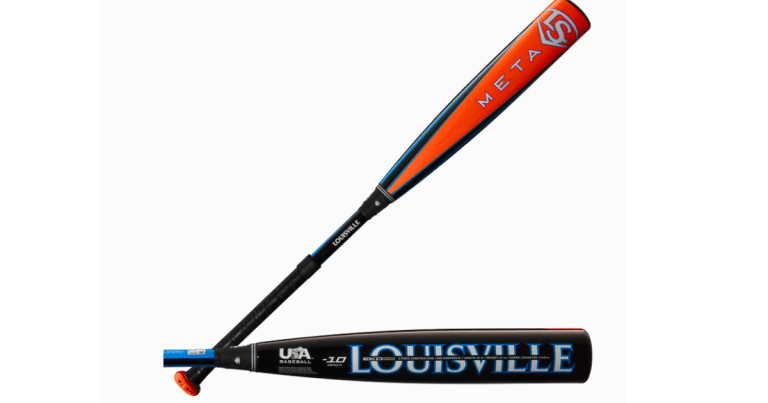
- Composite bats: hairline cracks, end-cap gaps, rattles, or flaking.
- Alloy bats: dents (even small ones), flat spots, paint bubbling, end-cap looseness.
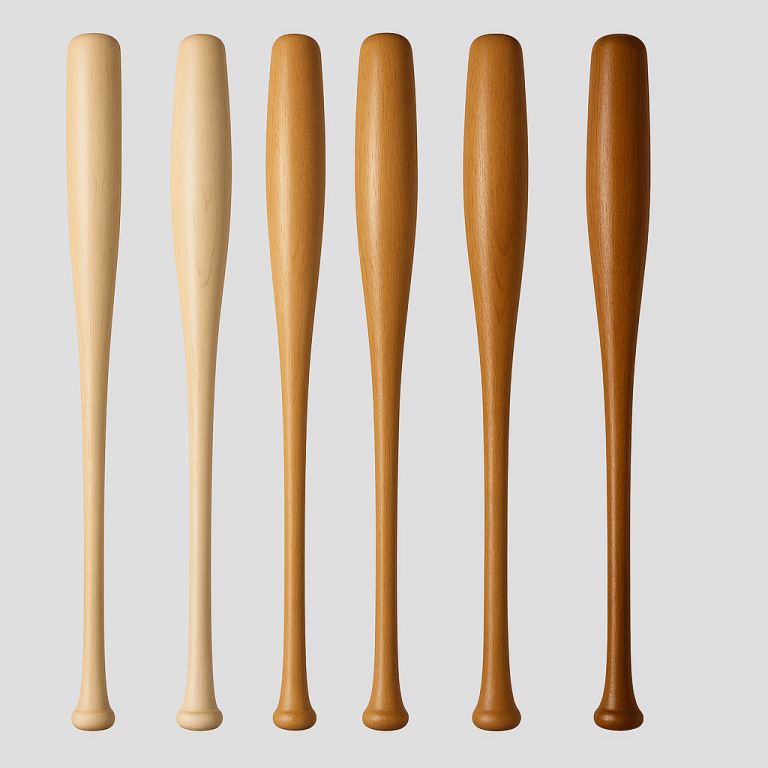
- Wood bats: grain splits, dry cracks, paint chips, or swelling.
Rotate the bat slowly under good lighting — small issues are easier to fix now than in the middle of next baseball season.
Why it matters:
Damage worsens in cold or hot environments. Catching it early saves you money.

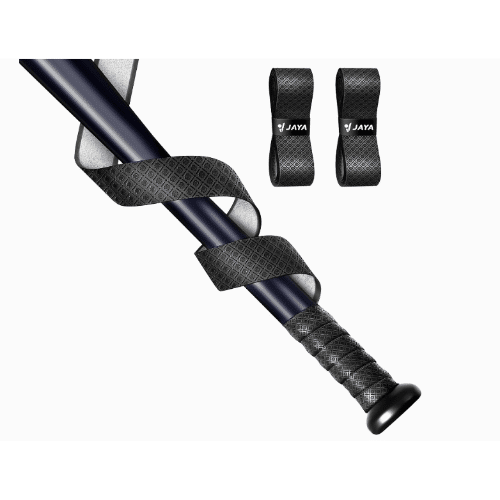
3. Replace Grip Tape if Needed
If the current grip is worn, peeling, or slick, replace it now rather than in March. It’s a quick job and gives the bat a fresh, game-ready feel.
Why it matters:
A good grip improves confidence and prevents slipping during early-season swings.
Pro Tip: Re-gripping takes under five minutes and instantly makes any bat feel newer.
4. Store the Bat Indoors Only
This is the rule parents break the most.
Bats should live indoors — period.
The best place is:
- Inside a bedroom
- In a closet
- On a shelf
- In a bat bag kept indoors
- In a vertical bat rack
What the bat needs:
- Stable temperature
- Dry environment
- Zero exposure to freezing or heat waves
Pro Tip: Think of your bat like a houseplant — it thrives inside, not in the garage.
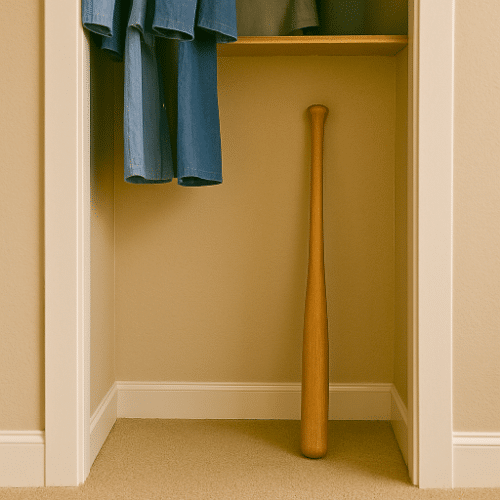
5. Store Vertically or in a Protected Bag
Lay it flat if you must, but never bury it under gear or objects that can warp the barrel.
Best options:
- Vertical bat rack
- Bat tube
- Bat bag (indoors!)
- Corner of a closet with the handle down or up
Why vertical works: no pressure points, no bending, no warping.
Pro Tip: If your kid has multiple bats, use a tall laundry basket or PVC tube to keep them upright and organized.

Where NOT to Store Bats
This part is simple: bats hate extreme environments.
Avoid:
1. Garages
Temperature swings crush composite integrity and warp wood.
2. Car trunks
In summer they become ovens. In winter they become freezers.
3. Sheds & outdoor storage
Too humid, too damp, too uncontrolled.
4. Basements
Often too moist and musty.
5. Attics
Extreme heat + zero ventilation = barrel disaster.
6. Backpacks full of gear
Weight and pressure deform barrels, especially wood and composite.
Pro Tip: If you wouldn’t store a chocolate bar there, don’t store a bat there.

Special Notes for Wood Bats
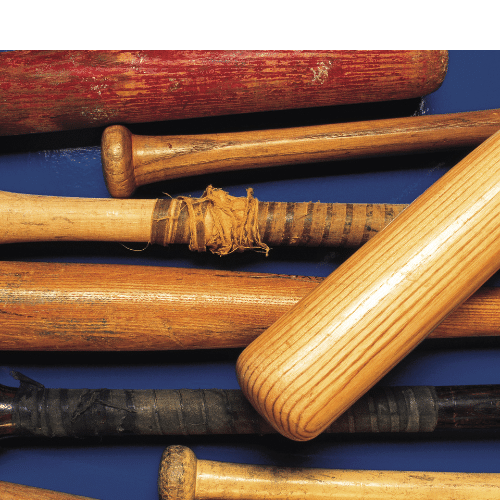
Wood bats behave differently than composite or alloy because they’re literally a natural material. They breathe, absorb moisture, lose moisture, and react to the environment.
Here’s how to keep your wood bat alive longer:
1. Avoid Dry Air
Overly dry homes can cause wood to shrink or crack. Keep the bat in a spot with normal household humidity.
2. Keep It Away from Damp Walls or Floors
Moisture causes swelling or softness on one side of the grain.
3. Store Horizontally or Vertically — But Gently
No leaning under pressure. Wood barrels are easy to flatten or bruise.
4. Lightly Wipe Before Storing
Remove dirt, grime, or softball smudges so you don’t trap moisture.
5. Rotate Use During the Season
Not technically storage — but worth waving at. If your kid uses wood regularly, rotate multiple bats to extend life.
Pro Tip: Don’t store a wood bat near heating vents — that’s the fastest way to split a grain line.
Preseason Bat Check (A Quick Spring Tune-Up)
When baseball creeps back onto the calendar, take a few minutes to check the bat again.
Look for:
1. New cracks or dents
Cold air can worsen small issues.
2. Grip tape condition
If you didn’t replace it earlier, do it now.
3. Rattles
Internal pieces or end-cap shifts can cause early-season issues.
4. End-cap fit
Loose end caps on composite or alloy bats should be addressed before use.
5. Barrel feel
If something feels “off”—dead, unresponsive, or overly vibratory—that bat may be at the end of its life.
Pro Tip: Let your kid take a few dry swings indoors (carefully) to feel if the balance or vibration seems normal.
FAQs
1. Can I store my bat in the garage?
No. Garages swing from freezing to scorching, which damages composite, wood, and alloy bats.
2. Is it okay to leave bats in the car?
Also no. Car trunks get dangerously hot or cold. Bats deteriorate fast in those conditions.
3. Does temperature affect composite bats more than others?
Yes. Composite material gets brittle in cold weather and more flexible in high heat.
4. Can I hang a bat on the wall?
You can. Just make sure it hangs in a room-temperature indoor environment, not on an exterior wall that gets hot or cold.
5. Do I need to clean my bat before storing it?
A quick wipe helps reveal cracks or dents—and keeps dirt from hiding problems all winter.
6. How long should a baseball bat last?
With proper care and indoor storage, a good bat can last several seasons, depending on usage and bat type.
Conclusion
Proper bat storage isn’t complicated — but it makes all the difference. Keep the bat clean, check it for damage, store it indoors, and protect it from heat, cold, and pressure. Do those simple things, and your kid will start the next season swinging a bat that feels just as good as it did in the last game.
Baseball is hard enough. Don’t let a preventable offseason mistake ruin a perfectly good bat.