10 Best Indoor Baseball Drills for Winter Training
Season’s over. Fields are locked. Winter has officially arrived. And now comes the real challenge: keeping your kid sharp so they don’t roll into March looking like they spent three months grinding Fortnite instead of fastballs.
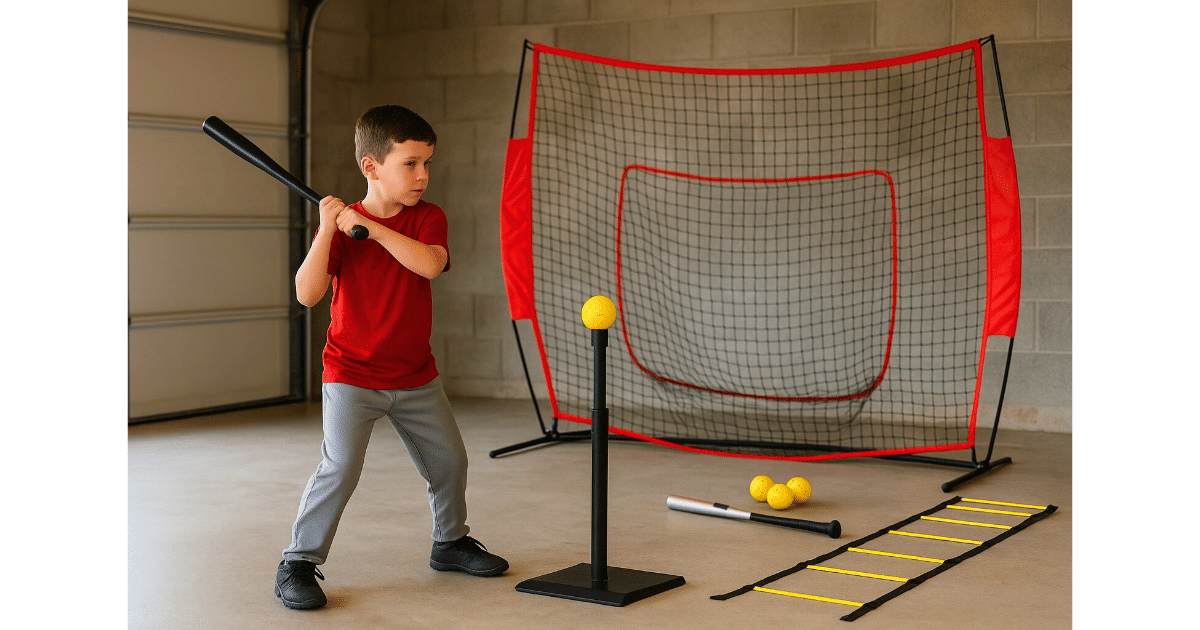
The good news? You don’t need a fancy facility or a full batting cage in the backyard. A small indoor space — a garage, a basement, even a hallway — is more than enough. Pair it with a few smart drills and some affordable gear, and your player can get high-quality reps all winter long.
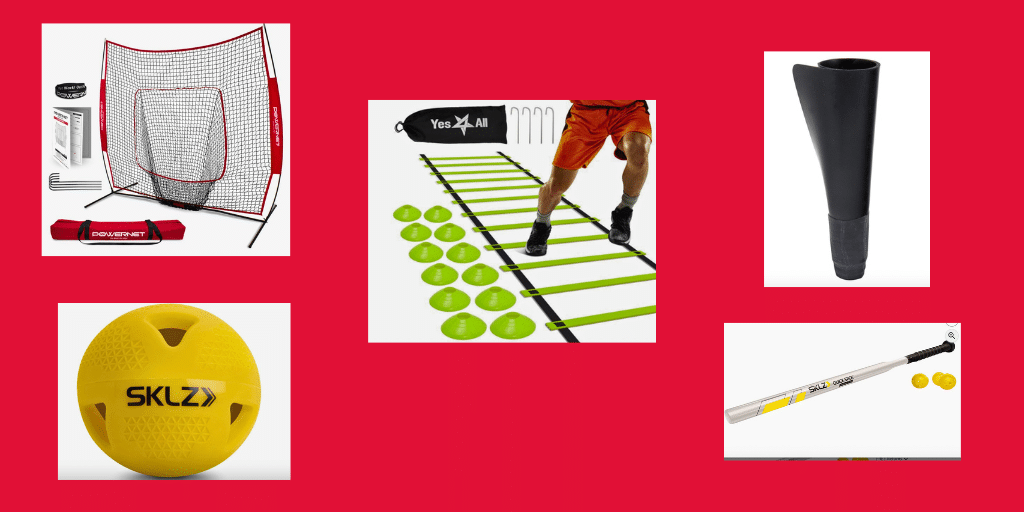
Below are 10 proven indoor baseball drills — plus a set of Amazon-friendly gear picks that make each drill easier, safer, and a whole lot more effective.
Let’s get into it.
Disclosure: This page contains affiliate links. If you make a purchase through one of these links, I may earn a commission—at no extra cost to you. As an Amazon Associate, I earn from qualifying purchases.
THE 10 INDOOR DRILLS
1. Soft Toss Into a Pop-Up Net
What the player does:
A parent, sibling, or teammate gently tosses the ball from the side while the hitter focuses on clean, controlled swings. The net catches everything, so it’s all about repetition and rhythm.
Why it works: Reinforces timing, barrel control, and repeatable contact without full swings.
Pro Tip: Use foam balls so your stress level stays somewhere south of “Dear God, please don’t miss the net.”
2. One-Knee Tee Drill
What the player does:
The hitter kneels on one knee and hits off a tee. This removes the lower body and forces the hands to stay tight and direct — a great way to fix casting and create a cleaner swing path.
Why it works: Removes lower-body noise and teaches hitters to stay balanced and level through the ball.
Pro Tip: Film 5–6 swings. Kids are always shocked how much they collapse their front shoulder indoors.
3. Wall Ball Fielding
What the player does:
The player throws a foam ball against a wall and fields the rebound. It builds soft hands, quicker reactions, and proper glove angles — all in a tiny amount of space.
Why it works: Builds fast hands, clean funnels, and fearless glove work. Perfect for infielders.
Pro Tip: Start closer to the wall — small hops create quicker hands.
4. Mirror Mechanics Drill
What the player does:
The player stands in front of a mirror and slowly walks through their hitting or pitching motion. This is all about body control — seeing posture, balance, stride, and hand positions in real time.
Why it works: Helps kids actually see their posture, load, stride, and sequencing. Slow reps = quick growth.
Pro Tip: Move at half-speed. The slower the rep, the faster the improvement.
5. Quick-Hands Drill With Smush Balls
What the player does:
The player either taps the ball quickly between their hands or catches small soft balls tossed rapidly at chest height. It’s a hand-speed builder — great for reaction and readiness.
Why it works: Improves reaction speed, coordination, and smooth transfers.
Pro Tip: Add a two-ball version for advanced players.
6. Short-Bat Contact Drill
What the player does:
Using a short training bat (like the SKLZ Power Stick), the player hits soft balls tossed underhand from close range. It forces tight, efficient swings and builds real barrel awareness.
Why it works: Trains hitters to stay compact, stay inside the ball, and find the sweet spot more often.
Pro Tip: Place the tee slightly out front to teach the correct contact point.
7. The Towel Drill (Pitching)
What the player does:
The player holds a small towel instead of a ball and practices their pitching motion, “snapping” the towel toward a target. It builds mechanics, timing, and extension — zero stress on the arm.
Why it works: Reinforces stride direction, posture, and sequencing without the strain of throwing baseballs indoors.
Pro Tip: Use a tape line on the floor — consistency starts with landing in the same spot.
8. Agility Ladder Footwork
What the player does:
The player runs quick patterns through an agility ladder — one-foot, two-foot, lateral, crossover. It builds speed, balance, and athleticism without needing much space.
Why it works: Builds balance, speed, rhythm, and overall athleticism.
Pro Tip: Start slow. Clean reps matter more than trying to fly through the ladder.
9. PVC-Free Rotation Drill
What the player does:
The player puts a lightweight pipe across their shoulders and works on rotating their torso while keeping balance. It’s a simple way to build core stability and clean hip rotation indoors.
Why it works: Teaches hitters to rotate around their spine instead of drifting or collapsing.
Pro Tip: One-leg balance for 5 seconds before rotating = magic.
10. Inside/Outside Turn Baserunning Drill
What the player does:
Using cones or floor markers, the player practices tight inside and outside turns — the footwork used rounding bases. Even in a hallway or garage, kids learn better angles and first-step efficiency.
Why it works: Great baserunning is all angles and body control. You can teach that in 10 feet of space.
Pro Tip: Film it. Kids almost always turn too wide indoors.
Best Indoor Gear
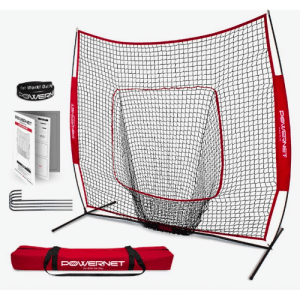
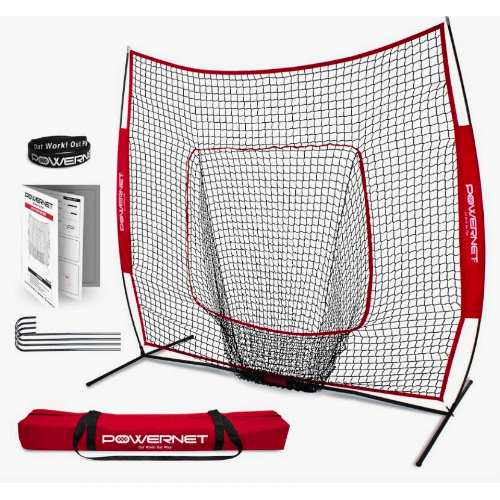
1. PowerNet 7×7 Practice Net
Who It’s For
Players who want reliable, safe hitting reps without needing a full-sized field — or risking the living room windows.
What It Solves
Gives hitters a big, stable target for tee work, soft toss, and short-bat drills. Perfect for garages and basements.
Key Features
- Fast setup
- Large catching area
- Thick, durable mesh
- Great partner for foam balls
What They’re Saying
Parents love how sturdy it is. Players love that it doesn’t flop around after a couple of swings. It’s the “default” hitting net for a reason.
Pros
- Stable
- Easy setup
- Versatile
Cons
- Takes up some floor space
- Slides slightly on smooth concrete
Bottom Line
If you buy only one piece of winter gear this year, make it this net.
Works great in garages, basements, bonus rooms, or anywhere you have about 7–8 feet of depth. Reminder: Use foam balls indoors.
Bonus: Also usable outdoors in spring.
2. Franklin Sports MLB Pro-Style Tee
Who It’s For
Hitters who want consistent tee reps in small indoor spaces.
What It Solves
Eliminates wobbly, flimsy tee issues and gives kids a sturdy station for mechanics work.
Key Features
- Adjustable height
- Weighted base
- Quiet indoor swings
- Great with foam balls
What They’re Saying
Parents rave about stability. Coaches appreciate how much controlled work this tee allows.
Pros
- Great for all ages
- Quiet
- Budget-friendly
Cons
- Needs a towel under it on tile
- Kids tend to overswing indoors
Bottom Line
Winter training starts with the tee. This is the one to get.
Perfect for garages, hallways, basements, living rooms (if brave).
Works best with soft or limited-flight balls indoors.
Super portable—parents can keep it inside all winter, then toss it in the trunk for spring practice.
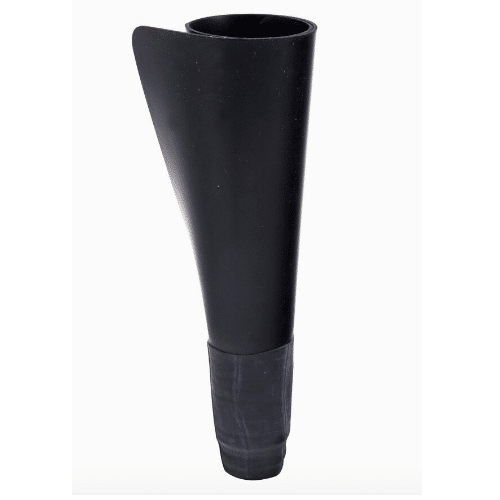
3. SKLZ Soft Cushioned Foam Balls (6-Pack)
Who It’s For
Families who want safe hitting and fielding reps without risking broken lamps or hospital visits.
What It Solves
Makes every indoor drill safer — from wall ball to tee work to quick-hands drills.
Key Features
- Ultra-soft foam
- Short, realistic flight path
- No sting
- Great for hand-eye training
What They’re Saying
Parents love that they’re safe. Players love that they can swing or throw without fear.
Pros
- Safe
- Quiet
- Versatile
Cons
- Not for outdoor use
- Compress over long-term heavy use
Bottom Line
If you’re doing any indoor training this winter, foam balls are non-negotiable.
These are literally made for indoor use. Safe for walls, windows, siblings, and your sanity.
Bonus: Also great outdoors, but shine indoors.
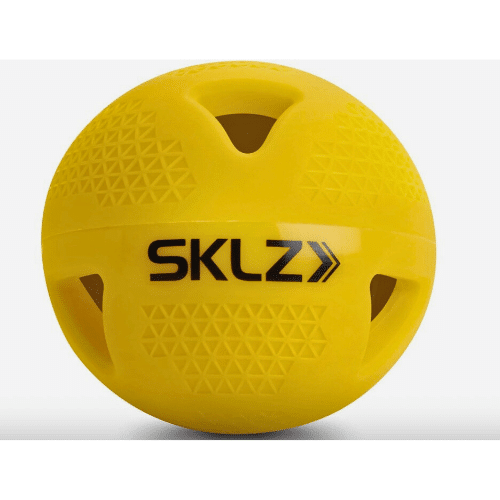
4. SKLZ Power Stick Training Bat
Who It’s For
Hitters who want compact, controlled contact work indoors.
What It Solves
Shortens swings, improves hand path, and reinforces inside-the-ball mechanics.
Key Features
- Lightweight
- Perfect for foam balls
- Compact
- Great for small spaces
What They’re Saying
Parents say it’s a game-changing indoor tool. Coaches love it for building barrel awareness.
Pros
- Small-space friendly
- Immediate feedback
- Kid-friendly
Cons
- Not meant for full swings
- Takes some adjusting
Bottom Line
One of the best contact tools available — especially for winter.
Designed for short, controlled swings. Meant to be used with soft or smush balls.
Works even in tight spaces.
Bonus: Tons of coaches use these specifically for indoor winter training.
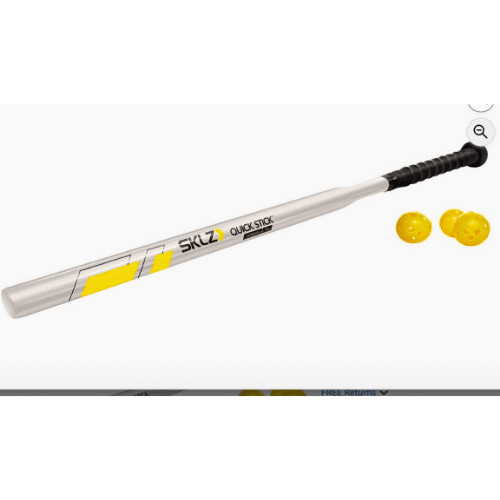
5. Yes4All Speed & Agility Ladder
Who It’s For
Players who want to stay quick and athletic during winter downtime.
What It Solves
Keeps footwork sharp when outdoor running isn’t an option.
Key Features
- Flat, adjustable rungs
- Easy to roll up
- Quiet
- Works in hallways or garages
What They’re Saying
Parents like the ease of use. Coaches love the winter footwork advantage. Players enjoy the challenge.
Pros
- Fits anywhere
- Simple
- Effective
Cons
- Rungs shift on carpet
- Needs a bit of space
Bottom Line
Footwork matters. This ladder keeps it sharp all offseason. Works in hallways, garages, living rooms, or basements.
Completely silent (a HUGE parent win).
Bonus: Also great outdoors—but winter is when ladders shine.
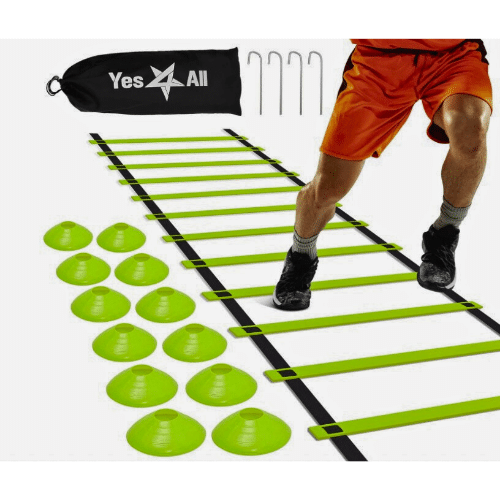
FAQs
Can kids really train baseball indoors safely?
Absolutely — use foam balls, controlled swings, and net-based drills.
How many days a week should kids train in winter?
Two or three short sessions is perfect.
Are foam balls good for hitting drills?
Yes — ideal for mechanics and indoor safety.
What’s the best drill for small spaces?
One-knee tee work or short-bat contact drills.
How do you build arm strength indoors?
Mirror work, towel drills, and light band routines.
What’s the safest pitching drill inside?
The towel drill — zero impact, total mechanics focus.
Conclusion
Winter doesn’t have to slow a young player down — not when the right drills and a few smart tools turn your garage, basement, or hallway into a mini training lab. The key is consistency: short sessions, clean reps, and drills that build confidence and muscle memory without overstressing kids.
Stick with these 10 drills, lean on the five indoor-friendly gear picks, and your player will show up in spring looking sharp, confident, and ahead of the competition.
Follow Box-Seats.com