What Are The 7 Best Youth Baseball Gloves Under $60?
Buying your kid a baseball glove shouldn’t break the bank.
But with so many cheap options on the market, it’s tough to know which gloves are actually game-ready—and which ones will fall apart before the season ends.
That’s why we put together this list of the 7 best youth baseball gloves under $60, all vetted through real-world feedback from parents, coaches, and players.
These gloves deliver comfort, fit, and durability for T-ballers and Little Leaguers alike—without blowing your budget.
Whether your young athlete is just picking up the game or needs a reliable glove for everyday play, there’s something here that fits the bill (and your wallet).
Disclosure: This page contains affiliate links. If you make a purchase through one of these links, I may earn a small commission—at no additional cost to you. I’m an affiliate partner with both Amazon and JustBats, and I only recommend products I believe add real value to players, parents, and coaches.
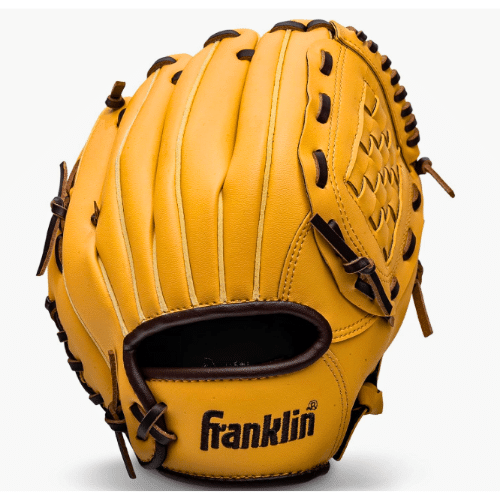
1. 🥇 Franklin Sports Field Master Series
Best for: Parents who want a decent starter glove under $20
The Field Master Series is a favorite among parents, coaches, and budget-minded buyers looking for an affordable glove that actually performs.
Made with synthetic leather, it looks and feels better than your typical cheap mitt—and works well for both baseball and softball.
It’s praised for its flexible feel and easy-to-adjust wrist strap, but some reviewers note the break-in isn’t as quick as advertised.
Still, at under $20, it’s a solid first glove for T-ballers or casual youth rec players.
Pros and Cons
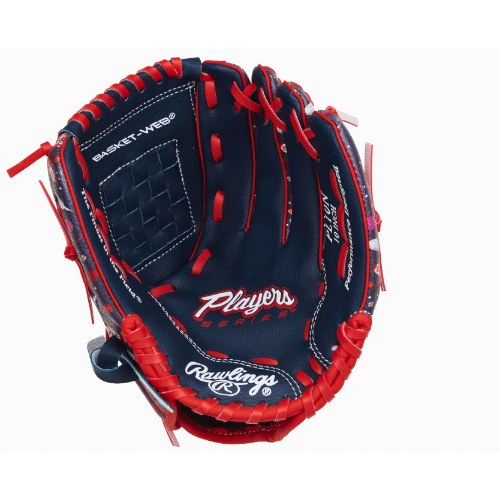
2. 🧢 Rawlings Players Series Youth Glove
Best for: Tee-ballers and early Little Leaguers just starting out
The Rawlings Players Series is a beginner-friendly glove that checks all the right boxes: soft shell, easy close, lightweight, and kid-approved comfort.
Designed for ages 4–8, it’s ideal for tee-ball, coach-pitch, or casual backyard play.
Parents and coaches love how playable it is right out of the box—thanks to its soft vinyl shell and factory break-in.
It’s not made for years of use or elite travel ball, but for that first or second season? It’s hard to beat for the price.
Pros and Cons
3. 🥎 Mizuno Prospect PowerClose GPP1150Y3
Best for: Young players who need a glove that actually closes—and builds confidence fast
The Mizuno Prospect PowerClose is a top pick for kids learning the fundamentals of baseball.
Designed with PowerClose technology, this glove is made to close easily in smaller hands—eliminating the biggest frustration for new players.
Parents and coaches love how quickly it breaks in, while kids love that they can actually catch with it from day one.
It’s made with full-grain pigskin leather, giving it a real-glove feel without the premium price.
The ButterSoft palm liner adds comfort and protection, and the PowerLock wrist strap makes for a secure, adjustable fit.
Pros and Cons
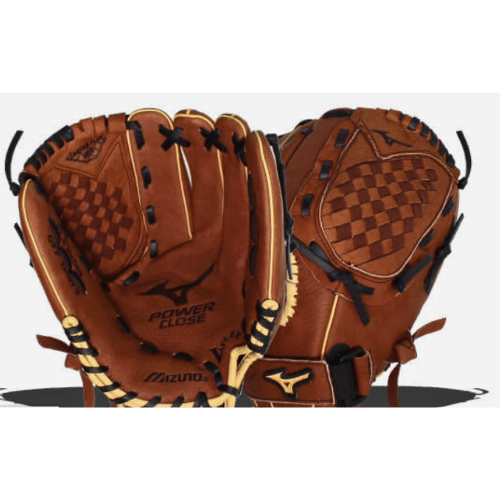
4. Rawlings Sure Catch 11″ Youth Baseball Glove: SC110BCI
Best for: Beginners who want a soft, game-ready glove with a snug fit
The Rawlings Sure Catch earns big praise from parents and coaches for one reason: kids can actually use it right away. No hours of break-in. No stiff leather frustration.
Thanks to its soft all-leather construction, built-in heel cut-out, and adjustable Velcro strap, young players (ages 6–10) get a glove that opens, closes, and fits like it should—right out of the box.
It’s a strong all-around choice for early Little League and rec ball, and its I-Web adds just enough swagger.
Some parents noted that a few kids with smaller hands still needed time to build grip strength to close the glove fully—but far fewer than with stiffer models.
For under $45, the Sure Catch series offers confidence-building comfort and real value.
✅ Easy to close and control
✅ Game-ready softness
✅ Great fit for younger hands
➖ May feel too basic for older or more advanced players
Pros and Cons
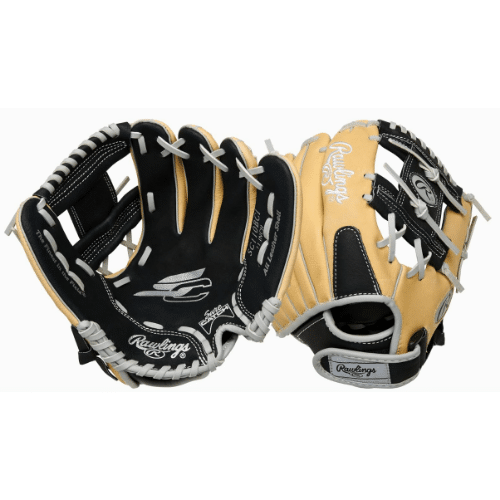
5. 🧢 Rawlings Select Pro Lite Youth Baseball Glove
Best for: Kids who want a pro-style glove that’s game-ready and affordable.
The Rawlings Select Pro Lite earns rave reviews from parents, coaches, and players for its lightweight design, soft leather shell, and quick usability.
Modeled after MLB stars like Nolan Arenado, it delivers a “big-league” look at a beginner-friendly price—perfect for ages 6–12 just starting out or stepping up their game.
Shock-absorbing palm padding and cushioned finger linings make it easy to wear and easier to trust on the field.
While the padding isn’t as thick as high-end models, and larger youth may soon size out, most families say it’s a reliable, confidence-boosting glove for the early years.
Pros and Cons
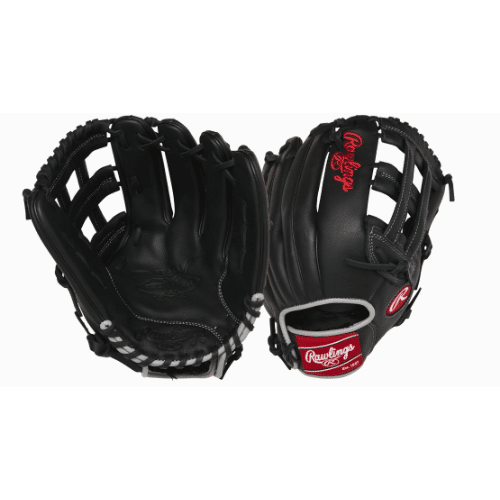
6. 🧢 Franklin RTP Pro Series Glove
Best for: Families on a tight budget looking for a starter glove
The Franklin RTP Pro is a go-to for parents who want a glove that’s affordable, game-ready, and soft enough for beginner hands.
Made from lightweight pigskin leather, it offers decent comfort and quick usability straight out of the box—perfect for kids just starting in T-ball or early Little League.
Coaches and parents like its easy-to-close design and the fact that it doesn’t require a frustrating break-in period.
But while it’s ideal for casual use, the glove may not hold up long-term or meet the needs of more serious players.
Pros and Cons
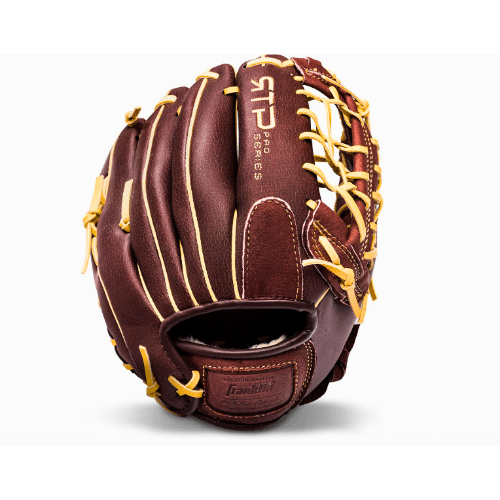
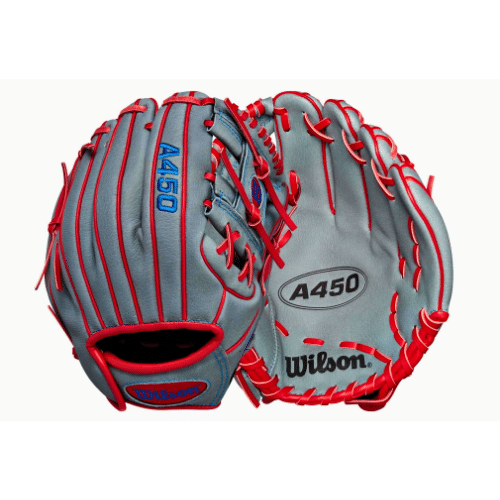
7. 🧢 Wilson A450 Youth Baseball Glove
Best for: T-ball and early Little League players seeking a lightweight glove with a pro-style look
The Wilson A450 is widely appreciated by parents, coaches, and players for its soft pigskin leather shell, fast break-in, and youth-specific design.
It’s a great starter glove for ages 5–10, especially for infielders or utility players learning the game.
While it lacks the padding and durability of higher-end models, its comfort, affordability, and game-ready design make it one of the better values under $60 for beginner baseball players.
Pros and Cons
Frequently Asked Questions
1. What size glove should my child use?
Ages 5–7 typically use 9″–10.5″; ages 8–10 go for 10.5″–11.5″. Check the glove’s sizing guide—most are position-neutral at this level.
2. Is it okay to buy a synthetic glove?
Yes. Many gloves under $60 use synthetic or pigskin leather. They’re softer and break in faster—perfect for beginners.
3. How long should a youth glove last?
With regular use, most budget gloves will last 1–2 seasons. Higher-end gloves may last longer but require more break-in.
4. Should I break in my kid’s glove before the season starts?
Definitely. Even soft gloves benefit from a few rounds of catch or light steaming to mold to your player’s hand.
5. Can my child use a fastpitch glove for baseball?
It’s not ideal. Fastpitch gloves are designed for softball ball sizes and finger spacing. Stick to baseball-specific gloves for better feel and fit.
6. Are these gloves good for competitive travel ball?
Most of these gloves are best for recreational or early Little League play. Competitive players may outgrow the performance and durability quickly.
🧢 Conclusion:
You don’t have to spend $100+ to find a solid glove for your kid.
Each glove on this list delivers where it counts: comfort, ease of use, and durability for developing hands.
From the game-ready Mizuno Prospect PowerClose to the value-packed Franklin Field Master, these gloves prove that great gear doesn’t always come with a premium price tag.
Just remember: at this stage, it’s all about building confidence and fun.
A glove that fits well and feels good can do wonders for a young player’s development. Bonus points if it looks cool, too.
Every glove on this list is trusted by real parents, coaches, and players. Pick one, play catch, and let the fun (and fundamentals) begin.