
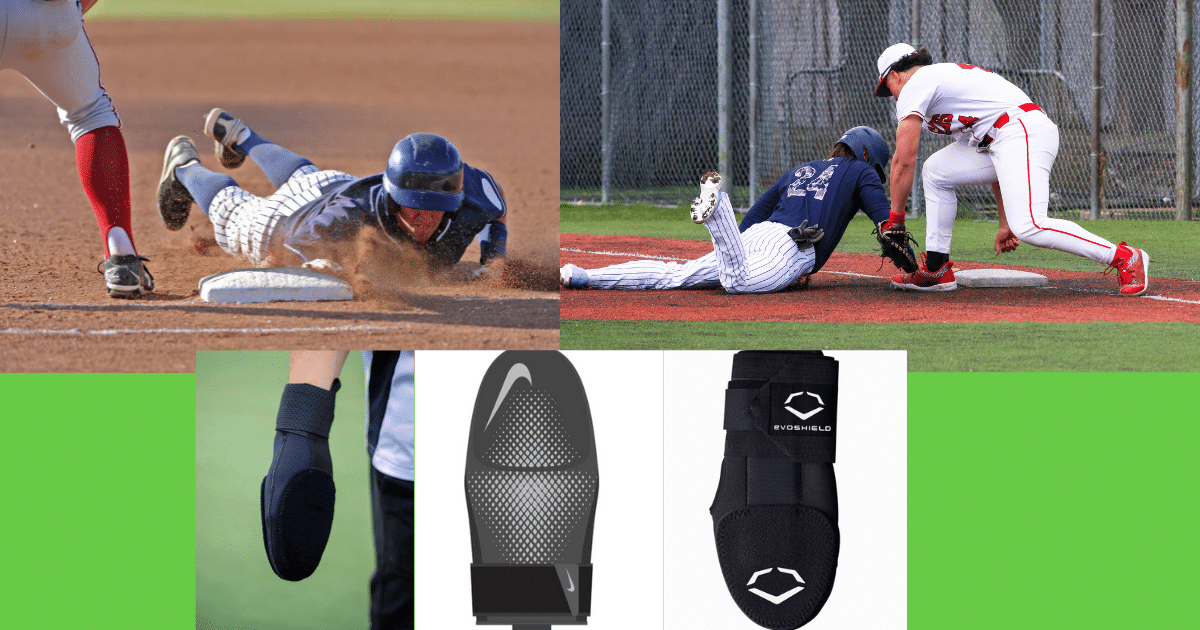
Are Sliding Mitts a Smart Pick or Just a Style Accessory? (2025 Guide)
Introduction
Sliding mitts are everywhere in 2025—from Little League dugouts to high school tournaments. Players love the look, but parents and coaches often ask: Are they necessary, or just a trendy accessory?
The answer isn’t always simple.
Sliding mitts began appearing in MLB around the mid-2010s, when players like Bryce Harper and Mookie Betts started wearing them regularly. Their popularity quickly trickled down to travel teams, high school ball, and eventually youth leagues.
For some players, the mitt is a game-changer that adds safety and confidence on the bases. For others, it’s little more than a stylish extra.
In this guide, we’ll explore the real benefits, potential drawbacks, and which players truly get value from a sliding mitt. We’ll also review five of the top mitts available right now, so you can make a confident choice.
What Sliding Mitts Actually Do
Sliding mitts are padded hand protectors designed for baserunners. They cover the lead hand (the one that reaches for the base first) to:
- Prevent jammed fingers and sprains
- Reduce abrasions from dirt and turf
- Provide protection against cleats in tag plays
Pro Tip: A sliding mitt doesn’t replace good sliding technique. Think of it as a seatbelt—it helps, but fundamentals come first.
Who Really Needs One (and Who Doesn’t)
- High School & Travel Ball Players: Great fit for aggressive baserunners. Rules allow head-first slides, so the mitt provides real value.
- Younger Leagues (T-Ball, Minors): Less essential. Many leagues restrict head-first slides while advancing, limiting the mitt’s use.
- Players with Injury History: Anyone who has jammed a finger or sprained a wrist may benefit from extra protection.
- Style-Driven Players: Some choose a mitt for swag. Parents should weigh whether it’s worth the cost if functionality is limited.
Coach’s Note: Always check your league’s sliding rules before investing.
Sliding Mitt Rules Across Leagues
Rules vary by level, and understanding them helps decide if a mitt is worth it:
- Little League (5–12): Head-first slides while advancing are generally not allowed. Players may still use mitts when diving back to a base on pickoffs.
- Travel & Tournament Teams: Many allow head-first slides at all ages, which makes mitts more useful for competitive youth players.
- High School (NFHS): Both head-first and feet-first slides are legal. The emphasis is on proper sliding technique, which makes mitts valuable for aggressive baserunners.
- College & Beyond: Sliding mitts are nearly standard equipment at higher levels, especially for base stealers and speed-first players.
Pro Tip: Don’t assume rules are the same everywhere. Always check your specific league handbook before purchasing.
How to Choose a Sliding Mitt
Buying a mitt isn’t just about picking the flashiest brand. Here are the key factors families should consider:
- Protection Design: Look for rigid dorsal shields to protect fingers and thumb, plus reinforced wrist padding.
- Fit & Comfort: A mitt that’s too bulky can make leads uncomfortable. Ambidextrous designs add flexibility if your player switches hands.
- Durability: Strong stitching and abrasion-resistant materials matter, especially for players who slide often.
- Price: Expect to spend between $40–$70 for a quality mitt. Budget options exist, but may wear faster.
- Style Options: Colorways and custom looks are part of the appeal. For some players, matching team colors is a big deal.
Coach’s Note: Encourage your player to balance style with practicality. A good fit and protection level should always come first.
Disclosure: This post contains affiliate links. If you click through and make a purchase, Box Seats may earn a small commission at no extra cost to you. We only recommend products we believe in and that are trusted by baseball families and players.
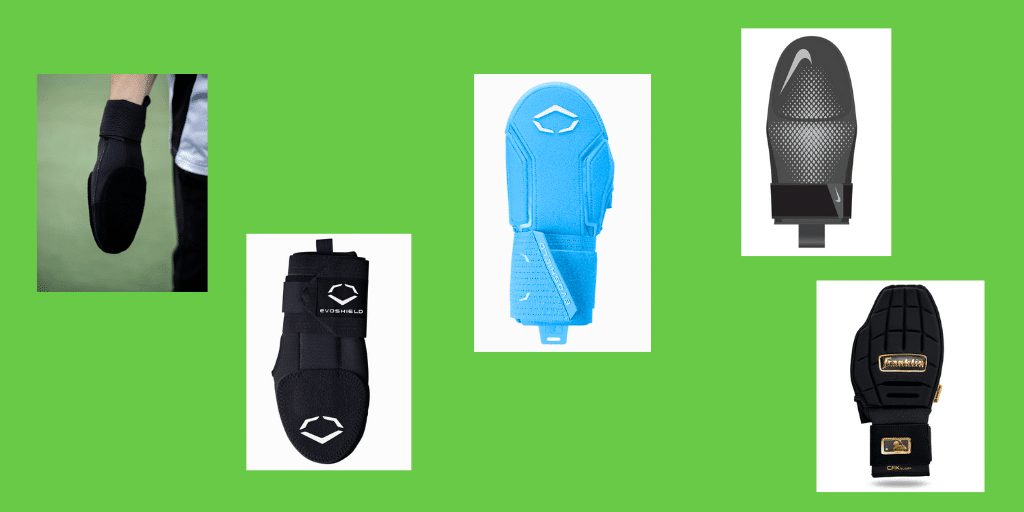
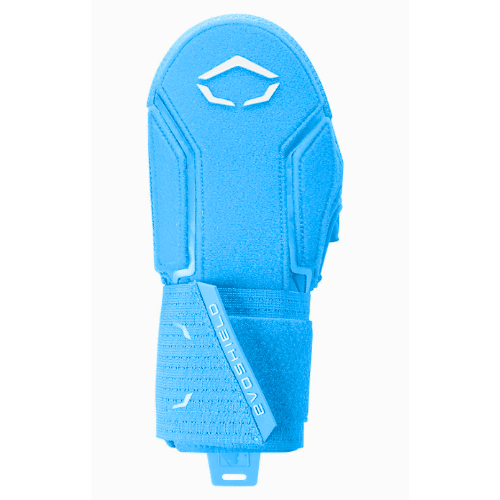
1. EvoShield Sliding Mitt 2.0 — The Premium Pick
Description: EvoShield’s upgraded mitt offers extended coverage and a sleeker, lighter profile than the original, making it a favorite for competitive players.
Who it’s for: Competitive players who want maximum protection and pro-level gear.
Key Features:
- Extended coverage design with reinforced dorsal shield
- Ambidextrous fit (works on either hand)
- Lightweight, breathable materials
- Multiple color options available
- Upgraded design with less bulk than the Classic
What They’re Saying: Players love the snug fit and durability, noting it feels less bulky than older models. Some parents mention it’s pricey but worth it for frequent base stealers.
Pros:
- Top-rated protection
- Sleek, low-profile fit
- Trusted brand used by pros
- Wider color selection
Cons:
- Higher price point
- Not essential for casual youth players
Bottom Line: If you want the best, this is it.
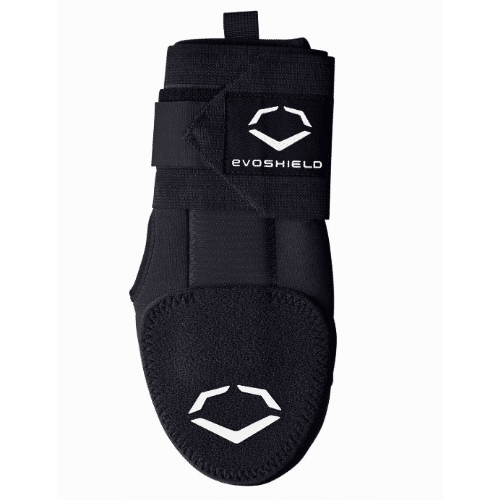
2. EvoShield Classic Sliding Mitt — The Trusted Original
Description: The original EvoShield mitt is still a staple, offering reliable hand and finger protection for players at every level.
Who it’s for: Players who want EvoShield reliability at a slightly lower price.
Key Features:
- Classic design, widely used across levels
- Durable construction with protective shield
- Comfortable fit for long games
- Proven in both youth and high school play
What They’re Saying: Still one of the most popular mitts; families note it holds up well season after season.
Pros:
- Proven track record
- Durable materials
- Slightly more affordable than 2.0
Cons:
- Bulkier feel than the 2.0
- Fewer color/style options
Bottom Line: A solid, no-nonsense pick for families who trust EvoShield.Line: A solid, no-nonsense pick for families who trust EvoShield.
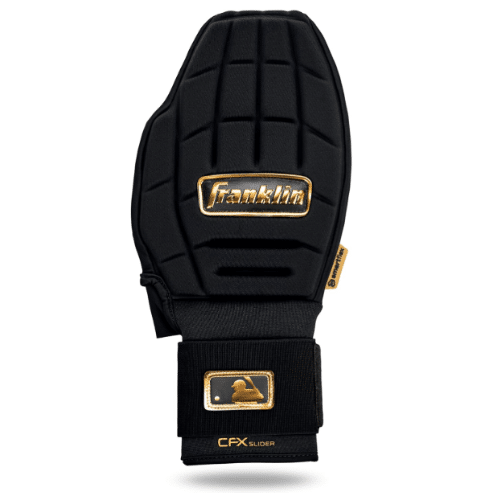
3. Franklin CFX Sliding Mitt — The Budget-Friendly Choice
Description: Franklin’s sliding mitt provides entry-level protection at a wallet-friendly price, making it ideal for younger players or those trying a mitt for the first time.
Who it’s for: Parents looking for affordable protection for their kids.
Key Features:
- Lightweight design with good padding
- Youth and adult sizes available
- Breathable fabric
- Easy to pack in a gear bag
What They’re Saying: Parents love the price and say it offers good protection without breaking the bank. Some note it runs small.
Pros:
- Affordable (~$40)
- Multiple size options
- Good ratings for comfort
Cons:
- Sizing can be inconsistent
- Not as durable as EvoShield
Bottom Line: Best entry-level option for younger players.
4. Nike Diamond Sliding Mitt — The Stylish Pick
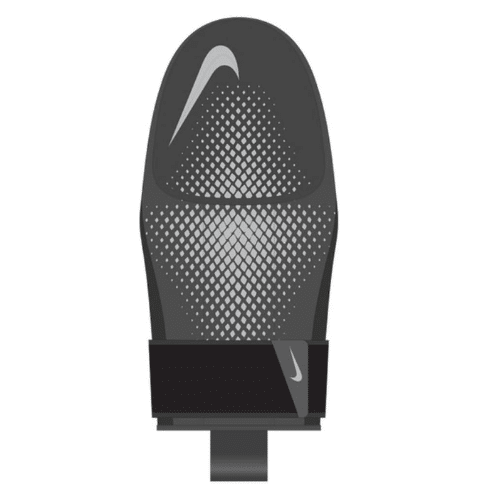
Description: Nike’s mitt combines brand recognition with lightweight protection, giving players a mix of confidence and style on the basepaths.
Who it’s for: Players who want function and a little extra swag.
Key Features:
- Sleek Nike design with solid padding
- Adjustable strap for custom fit
- Lightweight and flexible
- Good balance of comfort and durability
What They’re Saying: Athletes mention it feels protective without being restrictive. Style is a big draw.
Pros:
- Strong brand recognition
- Comfortable fit
- Stylish look
Cons:
- Limited availability
- Smaller review sample size
Bottom Line: Perfect for players who want protection and brand appeal.e: Perfect for players who want protection and brand appeal.
5. Rawlings Protective Sliding Mitt — The Reliable Classic
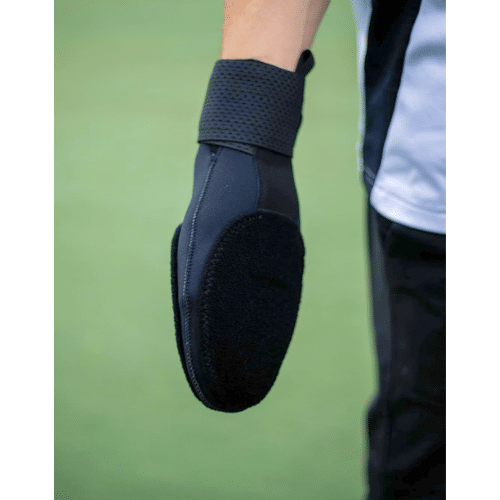
Description: Rawlings’ mitt delivers sturdy, straightforward protection from a brand trusted in baseball for generations.
Who it’s for: Players and parents who trust the Rawlings brand.
Key Features:
- Protective shield over fingers and thumb
- Durable outer shell
- Adjustable fit
- Comfortable interior padding
What They’re Saying: Families highlight Rawlings’ reputation for quality gear. Some note it feels a bit stiff out of the box.
Pros:
- Trusted baseball brand
- Sturdy build
- Good all-around option
Cons:
- Can feel stiff initially
- Fewer color options
Bottom Line: Reliable mitt from a trusted name in baseball.
Comparison Table
| Product | Price | Rating | Best For |
|---|---|---|---|
| EvoShield 2.0 | ~$70 | 4.8 | Serious baserunners, pros |
| EvoShield Classic | ~$50 | 4.7 | Durable, proven choice |
| Franklin CFX | ~$40 | 4.5 | Budget-friendly youth option |
| Nike Diamond | ~$55 | 4.7 | Style + function |
| Rawlings Protective | ~$50 | 4.6 | Reliable brand option |
FAQs
Q1: Are sliding mitts legal in Little League?
Generally, yes, but head-first slides while advancing are not allowed. They can still be useful for diving back to a base.
Q2: Do pros wear sliding mitts?
Yes, many MLB players use them to protect fingers and wrists when sliding head-first.
Q3: Will a sliding mitt slow me down?
Most players report no noticeable difference in speed or agility.
Q4: Can I use any mitt on either hand?
Most mitts are ambidextrous, but check the product details.
Q5: Are they worth the cost for young kids?
If your league doesn’t allow head-first slides, the mitt is less essential. It may still provide peace of mind for returns.
Q6: How do I size a sliding mitt?
Look for youth vs. adult sizing charts. When in doubt, size up for comfort.
Conclusion
Sliding mitts aren’t just a style accessory—they can add real protection for the right player in the right league. For younger divisions, they may be more fashion than function. But for older youth and high school players, a sliding mitt can be a smart investment in both safety and confidence.
The key is matching the product to the player’s needs. Aggressive baserunners and athletes in leagues that allow head-first slides will benefit most. For others, especially in younger divisions, the purchase may be less critical
Ready to upgrade your game? Choose the mitt that fits your play style and start breaking it in today.

