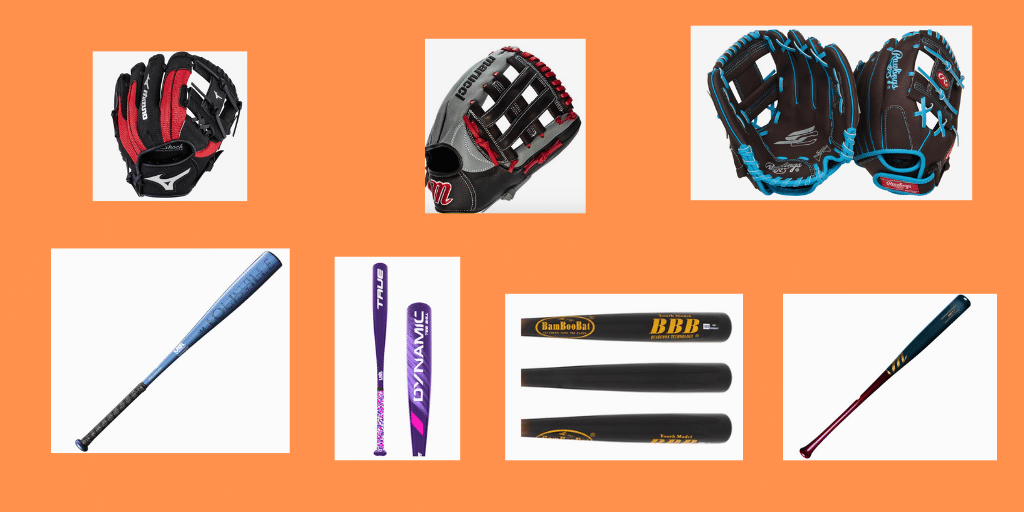
Best $100 Bat & Glove Starter Combos for Youth Players (2025 Guide)
Introduction
If you’re a baseball parent, coach, or young player, you know how hard it can be to find gear that’s both affordable and game-ready.
Many so-called starter kits—those $40 bundles with a bat, glove, and ball—are fine for backyard fun but won’t last in real games. The bats often lack pop, and the gloves feel more like cardboard than leather.
That’s why this guide skips the gimmick kits and shows you how to build your own starter combo for under $100. By pairing a quality youth bat with a durable glove, you can stay on budget and give your child gear that feels legit on the field.
👉 Whether you’re shopping for tee-ball, coach pitch, or kid pitch, this guide will help you mix and match the right bat and glove for your player’s age, league, and style of play.
Why Build Your Own Combo?
Game-Ready Quality: Every item is built for real baseball, not toy-level play.
Better Fit: Choose gear that matches your child’s exact needs instead of settling for a generic kit.
Smart Spending: Each product here is under $100, so you can combine a bat + glove for around the same price as a flimsy starter pack.
Disclosure: This page contains affiliate links. If you make a purchase through one of these links, I may earn a small commission—at no additional cost to you. I’m an affiliate partner with Amazon, JustBats, and JustGloves. I only recommend products I believe add real value to players, parents, and coaches.
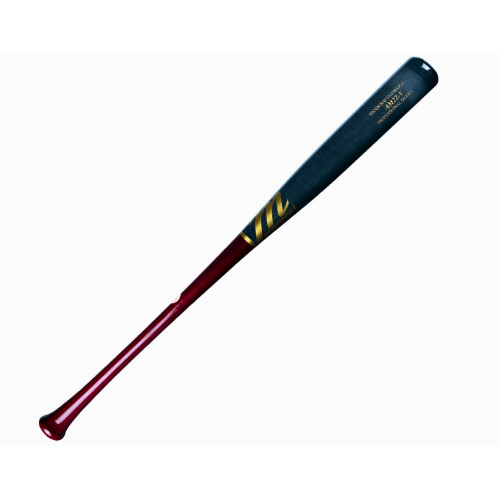
1. Marucci AM22 Youth Pro Model Bat
Who It’s For:
Kids moving up from tee-ball or coach pitch who want a wood bat that feels like the real thing. Perfect for teaching proper swing mechanics.
What It Solves:
Most youth bats are aluminum or composite. The AM22 gives young hitters a pro-style maple wood bat—denser, balanced, and built to develop solid mechanics.
Key Features:
- Medium handle and barrel for a smooth swing
- Flared knob for comfort and control
- Bone-rubbed maple for durability and pop
- Drop weight around –5 to –8 (lighter than adult wood bats)
- Adapted from Andrew McCutchen’s pro model
What They’re Saying:
Parents say the bat feels solid but not too heavy, and kids love the “big-league feel.” Coaches often recommend it for players ready to transition into wood. Some note that wood requires care—no throwing it in frustration or slamming it in the bag.
Pros:
- Balanced swing encourages good mechanics
- Dense maple adds pop and durability
- Comfortable grip for smaller hands
Cons:
- Heavier than alloy bats (may tire younger kids)
- Like any wood bat, it can break on mishits
Bottom Line:
The AM22 is a confidence-builder. It won’t have the trampoline effect of aluminum, but it teaches kids how to swing correctly—at a price far below pro wood models.
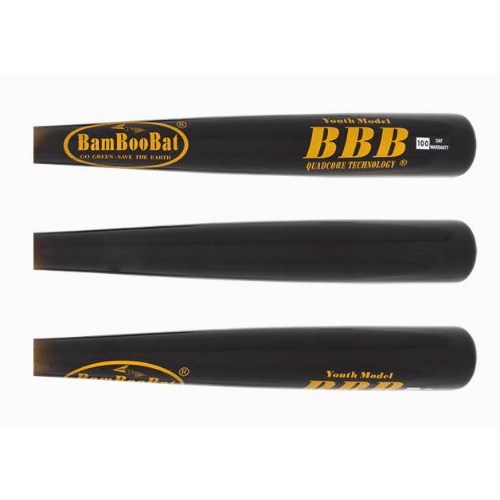
2. BambooBat Youth Bamboo Bat
Who It’s For:
Players 9–12 who want an affordable, durable bat for practice or league play (where wood is allowed).
What It Solves:
Many families can’t afford multiple wood bats. BambooBat’s laminated bamboo construction offers surprising pop, long life, and a budget-friendly price.
Key Features:
- Bamboo laminate construction for strength
- Medium barrel and handle, balanced design
- Approved in most wood-friendly leagues
- Multiple color options
- Typically priced under $60
What They’re Saying:
Parents say it’s perfect for 10–12-year-olds—durable, balanced, and fun to swing. Many use it for off-season batting practice without cracks. Some note it feels slightly heavier at first, but once adjusted, kids love the reduced sting.
Pros:
- Excellent value for a wood bat
- Durable enough for long training sessions
- Bright color options kids like
Cons:
- Heavier than aluminum bats
- Not legal in leagues that ban wood
Bottom Line:
For under $60, this bat is a no-brainer training tool. It holds up, helps kids build strength, and delivers real wood bat pop.
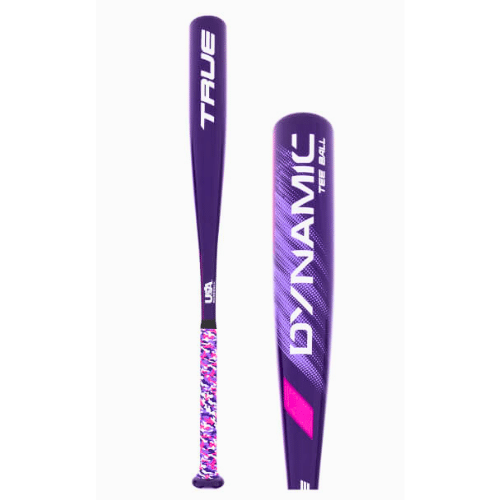
3. True Temper Dynamic –12 Tee-Ball Bat
Who It’s For:
Kids ages 4–6 starting tee-ball or coach pitch who need the lightest possible bat to build confidence.
What It Solves:
Heavy bats make beginners drag the barrel. The Dynamic’s ultra-light drop –12 lets little players control the swing and make better contact.
Key Features:
- –12 drop weight for speed and control
- One-piece alloy construction for durability
- 2 ¼″ barrel for easier contact
- Camo comfort grip sized for small hands
- USA Baseball certified
What They’re Saying:
Parents love how easy it is for beginners to swing. Kids gain confidence quickly because they can actually make contact. Coaches say it’s great for teaching mechanics. Some note that older kids outgrow it fast—but that’s expected for a tee-ball bat.
Pros:
- Incredibly light—perfect for first swings
- USA certified for league play
- Grip reduces sting for young hands
Cons:
- Kids outgrow it quickly
- Limited power vs. heavier bats
Bottom Line:
The Dynamic is a confidence-booster for 4–6-year-olds. It’s light, durable, and helps new players put the ball in play.
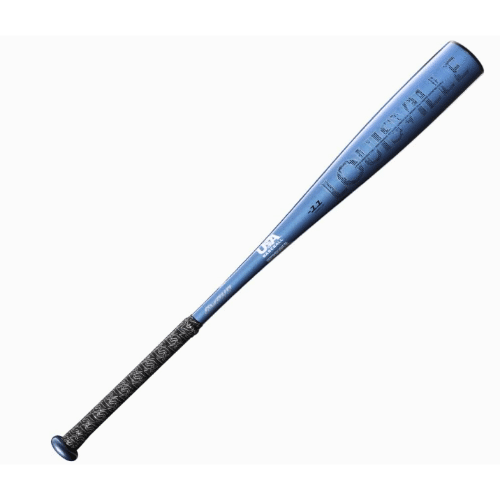
4. Louisville Slugger Omaha USA Bat (–11)
Who It’s For:
Ages 7–12 moving up to machine pitch or kid pitch. Great for contact hitters who want balance and a light swing.
What It Solves:
Some alloy bats vibrate painfully on mishits. The Omaha’s Tuned Mass Damper reduces sting, while its balance helps young hitters make consistent contact.
Key Features:
- ST7 alloy one-piece barrel
- Tuned Mass Damper to reduce vibrations
- Superlight end cap for easier swing speed
- Balanced weight distribution
- LS Pro Comfort Grip
What They’re Saying:
Parents say it’s a sweet spot between solid and lightweight. Kids like the “ping” sound and balance. Coaches note its durability across multiple seasons. Some reviews mention it feels slightly heavier than advertised, so double-check sizing.
Pros:
- Balanced design for smooth swings
- Alloy barrel provides good pop
- Reduced sting on mishits
Cons:
- Slightly heavier than the drop suggests
- Less trampoline than composite bats
Bottom Line:
The Omaha is a reliable, league-approved bat under $100. It balances durability, pop, and comfort—making it a parent favorite.
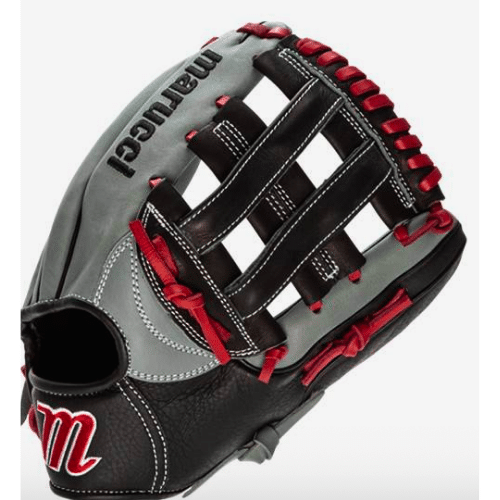
5. Marucci Caddo Series 12″ Youth Glove
Who It’s For:
Kids ages 9–12 who move between infield and outfield and need one glove that does it all.
What It Solves:
Pre-packaged gloves often feel stiff or cheap. The Caddo’s soft cowhide leather, neutral pocket, and EZ Flex notch make catching easier right away.
Key Features:
- Adjustable thumb and pinky loops for snug fit
- Medium pocket depth for infield + outfield use
- Full-grain cowhide leather shell with lightweight panels
- EZ Flex notch for easier closure
- Memory-foam palm lining
What They’re Saying:
Parents rave about the soft leather and quick break-in. Coaches say it has enough structure for multiple seasons but still feels forgiving for kids. Some note it runs large for very young players.
Pros:
- Fits multiple positions
- Soft leather, quick break-in
- Secure, adjustable fit
Cons:
- Slightly large for kids under 7
- Needs light conditioning to maintain
Bottom Line:
The Caddo is versatile and parent-approved. It’s one glove that can grow with your child and work across positions.
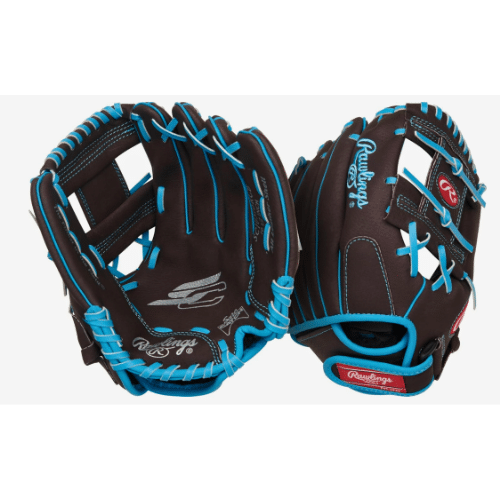
6. Rawlings Sure Catch 10.5″ Youth Glove
Who It’s For:
Tee-ball and coach-pitch players (ages 6–9) who need a soft, lightweight glove that’s easy to close right away.
What It Solves:
Cheap vinyl gloves feel stiff and frustrate beginners. The Sure Catch uses genuine leather for a glove that’s lightweight, comfortable, and easy for kids to control.
Key Features:
- 10.5″ size designed for small hands
- All-leather shell with padded palm for comfort
- Basket web for easy ball control
- Adjustable wrist strap for secure fit
- Quick break-in construction
What They’re Saying:
Parents highlight how it’s practically game-ready right out of the box. Kids love how light and soft it feels compared to “plastic” starter gloves. Coaches call it one of the best entry-level gloves for young players starting organized ball.
Pros:
- Extremely budget-friendly (~$36 on Amazon)
- Soft leather and fast break-in
- Lightweight, easy for beginners to close
Cons:
- Best for ages 6–9; older players will outgrow it
- Not as durable for heavy travel-ball use
Bottom Line:
At just $36, the Rawlings Sure Catch 10.5″ is one of the best starter gloves you can buy. It gives young players a real leather glove that builds confidence without blowing the budget.
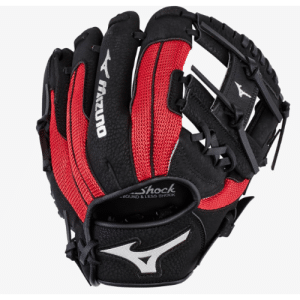
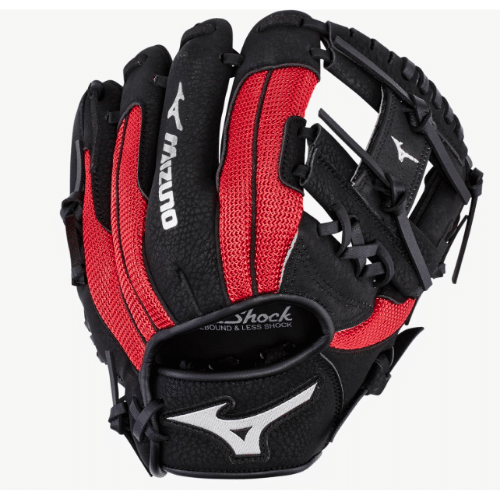
7. Mizuno Prospect PowerClose (10–11.5″)
Who It’s For:
Players ages 5–10 who struggle to close stiffer gloves and need something soft and confidence-building.
What It Solves:
Closing a glove can frustrate beginners. Mizuno’s PowerClose tech creates a natural hinge, making it easy for little hands to squeeze the pocket shut.
Key Features:
- Soft pigskin leather for comfort
- PowerClose + V-Flex notch for easy closure
- Parashock palm pad to absorb sting
- Adjustable wrist strap for secure fit
- Moisture-wicking palm liner
What They’re Saying:
Parents say kids love how easy it is to catch with. Coaches recommend it for tee-ball and coach pitch because it builds confidence. Some note it’s too soft for older, stronger players.
Pros:
- Extremely easy to close
- Soft padding reduces sting
- Adjustable wrist strap for growing hands
Cons:
- Too soft for players over 10
- Not ideal for higher-speed play
Bottom Line:
The Prospect is a confidence-builder. For kids learning to catch, it makes the game less frustrating and more fun.
❓ FAQs
1. How do I choose the right bat length and drop weight?
Have your child stand the bat next to them—the barrel should reach their wrist. For strength, smaller kids usually need a –12 drop (lighter), while older players can handle –10 or –8.
2. Are wood bats like the BambooBat legal in youth leagues?
Many leagues allow them, especially in coach pitch or tournaments. Some, however, require USA-certified alloy bats. Always check league rules before buying.
3. How do I break in a youth glove quickly?
Play catch often, use a mallet on the pocket, and wrap the glove overnight with a ball inside. A light rub of conditioner helps, but avoid soaking. The Mizuno Prospect and Marucci Caddo break in especially fast.
4. What’s the difference between tee-ball and USA-certified bats?
Tee-ball bats are lighter and sized for ages 4–6. USA-certified bats meet stricter standards for older players (7–12) and typically weigh more for safety and consistency.
5. How do I know if a glove fits properly?
The glove should fit snugly without wobbling. Fingers should reach near the end, and your child should be able to close it without struggle. Adjustable straps (like on Mizuno and Marucci gloves) help.
6. Should I buy a pre-packaged bat + glove combo?
No—most kits are made from low-quality materials and won’t hold up in real games. Building your own combo ensures better fit, durability, and overall value.
🏁 Conclusion
Choosing the right bat and glove for your young player doesn’t mean blowing the budget—or settling for flimsy “starter kits” that fall apart. By mixing and matching from these seven parent-approved picks under $100, you can build a combo that’s durable, league-legal, and fun to use.
- For the youngest players (4–6): Pair the True Temper Dynamic –12 Bat with the Mizuno Prospect PowerClose Glove. Both are lightweight, forgiving, and designed to build confidence.
- For coach pitch or ages 7–9: A balanced bat like the Louisville Slugger Omaha or BambooBat pairs perfectly with the Shoeless Joe Joe Junior or Mizuno Prospect.
- For older players (9–12): The Marucci AM22 or BambooBat matched with the Marucci Caddo Series Glovecreates a pro-style starter kit without breaking the bank.
👉 Bottom line: When kids enjoy their equipment, they practice more, play better, and stay in the game longer. With the right bat and glove combo, you can set them up for a season full of confidence and growth—without spending more than $100.
Your young ballplayer deserves gear that’s comfortable, safe, and fun—without draining your wallet. All of our picks come from trusted brands and are available through retailers like Amazon, JustBats, and JustGloves.