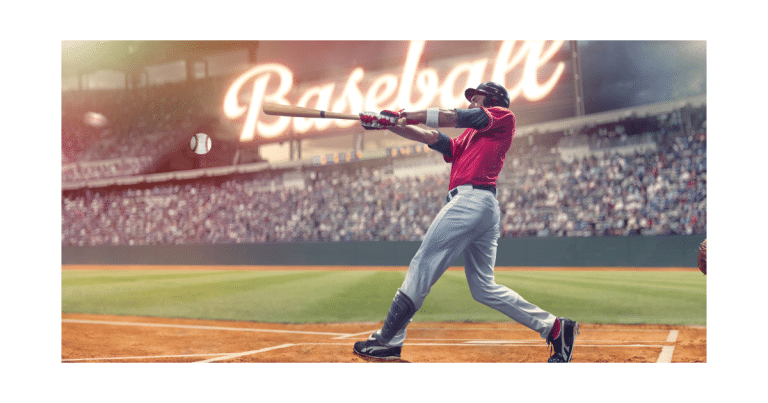
Transition Gear: Must-Haves When Moving From Little League to Travel Ball
💥 Ready for the jump? Here’s how to gear up for travel ball without emptying your wallet.
Making the leap from Little League to travel ball is a big deal — the pitching’s faster, the competition’s tougher, and the weekends just got a whole lot busier.
Parents aren’t looking to drop a fortune, but they do want gear that keeps their kid safe, competitive, and confident when they step onto that bigger stage.
This guide breaks down five essential upgrades that strike the right balance between performance, durability, and value — so your player can focus on playing hard and having fun while you keep your budget in check.
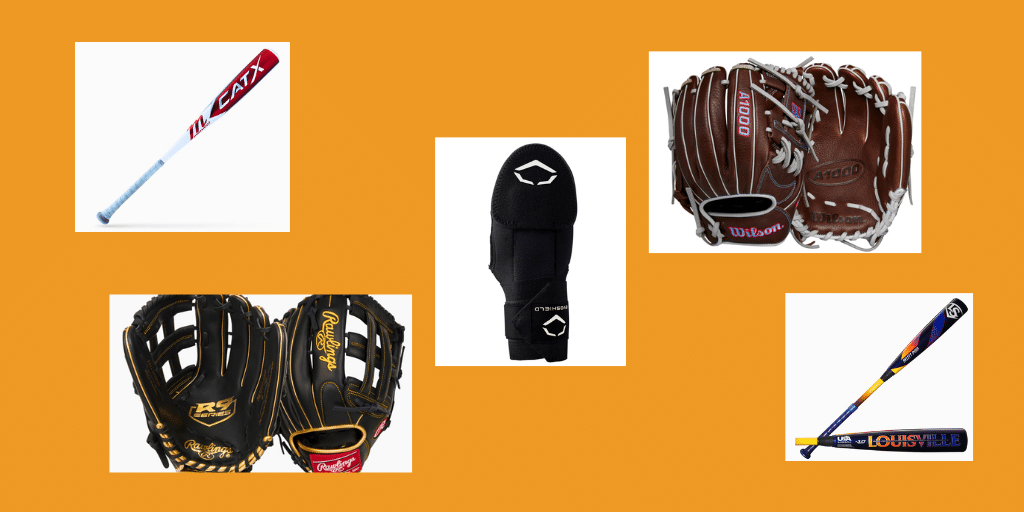
Quick Price Guide
| Item | Typical Price Range |
|---|---|
| Louisville Slugger Select PWR BBCOR | $300–$400 |
| Marucci CATX BBCOR | $190–$200 |
| Wilson A1000 Infield Glove | $150–$200 |
| Rawlings R9 Outfield Glove | $130–$160 |
| EvoShield Sliding Mitt | ~$50 |
Disclosure: This page contains affiliate links. If you make a purchase through one of these links, I may earn a commission—at no extra cost to you. As an Amazon Associate, I earn from qualifying purchases.
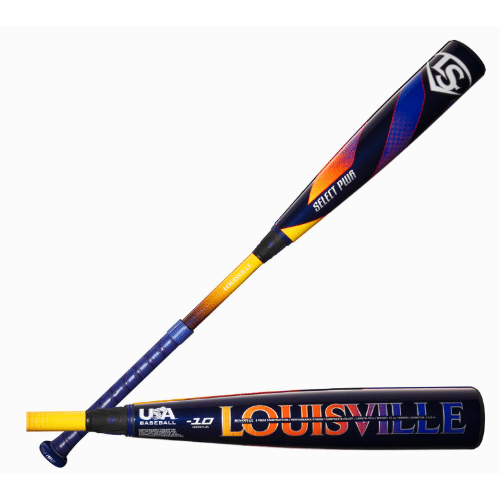
1. Louisville Slugger Select PWR BBCOR (2025 Model)
The Louisville Slugger Select PWR BBCOR is a go-to pick for families whose kids are ready to level up from Little League to travel ball — and maybe even set their sights on high school play.
This bat is known for its extended alloy barrel, which creates a bigger sweet spot and helps young hitters make more consistent, powerful contact.
Its two-piece hybrid design pairs an alloy barrel with a composite handle to reduce sting on mishits while still delivering a strong, stiff feel through the zone — perfect for developing power hitters.
Parents and players especially like the slightly end-loaded swing weight, which adds extra pop without feeling like a log.
The SPD-Gen3 End Cap and 3FX-PWR Connection System are nice touches too, boosting barrel performance and keeping the feedback comfortable and smooth.
Durability is another selling point — this bat is built to last and comes with a 12-month manufacturer’s warranty, making it a smart investment for families taking the leap to travel ball.
What They’re Saying: Parents report noticeable jumps in exit velocity, more confidence at the plate, and fewer complaints about hand sting — a big win on long tournament weekends.
Pro Tip: The 2026 version is just a repaint with identical tech (plus a few extra half-inch sizes). If you find the 2025 model on sale, grab it — you’ll get the same performance for less.
Pros:
- Extended alloy barrel for a bigger sweet spot and powerful hits
- Hybrid design cuts down on vibration without losing stiffness
- End-loaded swing weight adds power but stays manageable
Cons:
- Slightly heavy feel might not be ideal for pure contact hitters
- Premium price (generally $300–$400)
1Bottom Line: If your player is ready to take hitting seriously, this is a bat worth considering.
It’s durable, powerful, and designed for the travel-ball grind. a clear step up from USA bats as they enter higher-level competition.
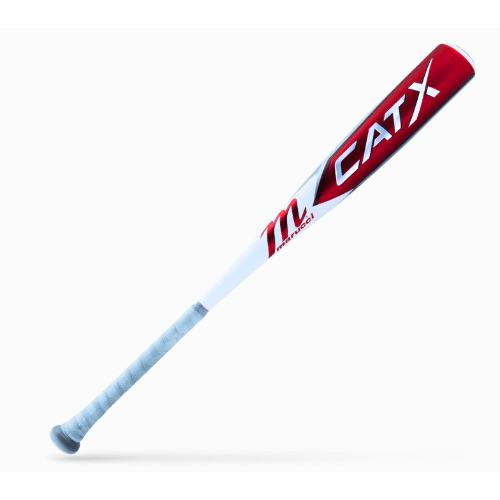
2. Marucci CATX BBCOR
The Marucci CATX BBCOR is a favorite for parents looking for a reliable, durable bat that won’t break the bank.
It’s a great stepping-stone bat for players making the move from Little League to travel ball and looking for something that will last a full season (or two) without losing its pop.
One of its biggest strengths is its balanced swing weight and large sweet spot, which give developing hitters better control and more consistent contact.
The handle is designed to reduce sting, so players can swing confidently without worrying about painful mishits — a big plus compared to older Marucci models.
Parents love that the CATX holds up well over time and actually seems to “open up” after a short break-in period, staying hot even after plenty of use.
At around $190–$200, it’s considered one of the best value bats in the BBCOR category, offering competitive performance without the premium price tag of newer high-end bats.
What They’re Saying: Players rave about its easy, balanced swing and confidence-boosting sweet spot. Parents call it “money well spent” thanks to its toughness and season-long consistency.
Pros:
- Balanced swing weight for excellent control and confidence
- Large sweet spot for consistent, reliable contact
- Comfortable handle design reduces sting and feedback
Cons:
- Doesn’t have the heavy end-loaded pop some power hitters want
- The newer CATX2 model may tempt players looking for the latest tech
Bottom Line: The CATX is a no-nonsense, player-friendly bat that offers excellent durability and performance for the price.
Ideal for parents who want quality and value without overspending.nce without paying top-tier BBCOR prices.
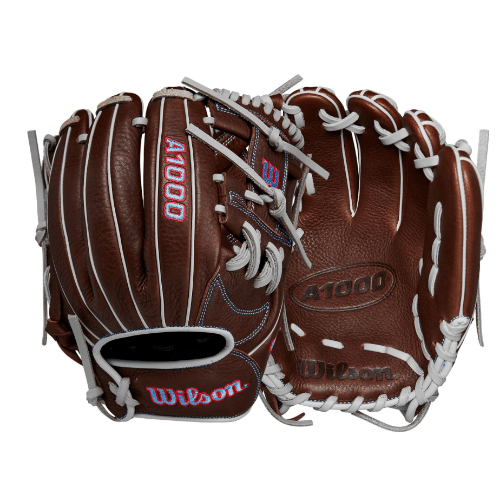
3. Wilson A1000 Infield Glove (2024 Model)
The Wilson A1000 is a standout choice for parents looking for a high-quality, game-ready glove without the long break-in time (or price tag) of an A2000 or A2K.
Made from soft full-grain leather, this glove breaks in quickly — which means your player can use it in games within days, not months.
It’s built with the same pro-level patterns as Wilson’s higher-end gloves, so kids get a professional fit and feel, but in a lighter, more pliable package that’s perfect for younger hands.
The 11.5″ DP15 Pedroia Fit model is especially popular with travel ball infielders thanks to its snug wrist opening and narrow finger stalls.
It gives players better control, quicker glove closure, and confidence fielding ground balls and turning double plays.
Parents love the combination of quality construction and comfort features like rolled dual welting to hold its shape and a moisture-wicking wrist lining to keep hands dry.
Players say it feels lightweight and well-balanced — ideal for long innings without wearing them out.
💲 Hot Deal: The 2024 A1000 is currently available for around $129.95 (down from $179.95) — a steal for a glove with pro-level patterns and quick break-in.
What They’re Saying: Parents rave about how little break-in is needed, coaches say it helps teach proper fundamentals, and kids say it just “feels right” compared to cheaper, floppy gloves.
Pros:
- Quick break-in with soft full-grain leather
- Pro-level patterns for better fit, control, and fundamentals
- Lightweight, balanced design for easier handling
Cons:
- Will show more wear over time compared to higher-end models
- Can feel snug for players with larger hands
Bottom Line: A perfect choice for travel ball families who want a pro-pattern glove that’s ready to play right away — without paying A2000 prices.
4. Rawlings R9 Series Outfield Glove
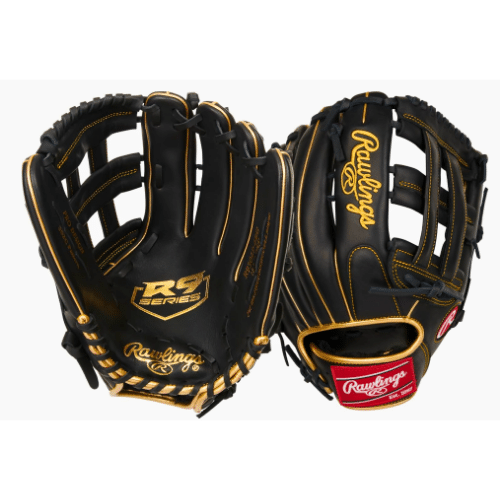
The Rawlings R9 Series is a favorite among parents looking for an affordable, game-ready outfield glove that can keep up with the grind of travel ball.
Made from soft yet durable leather, the R9 comes about 80% broken in right out of the box, which means your player can take it to practice — or even a game — almost immediately.
This quick break-in is a lifesaver for busy families who don’t have weeks to work a glove into shape.
Its deep pocket design is perfect for outfielders (and even some first basemen), helping kids snag fly balls and line drives with confidence.
Reviewers also praise its shape retention and solid stitching, so it can handle frequent use over the course of a season without turning floppy.
Parents often compare it favorably to the Rawlings Sandlot Series, saying the R9 feels more premium and has better durability — all without straying into pro-level price territory.
While it doesn’t have heavy padding, most agree that it’s perfectly fine for youth-level play.
What They’re Saying: Parents call it a “workhorse” glove they can rely on, and players love that it’s practically ready for action on day one.
Pros:
- 80% factory break-in means faster game readiness
- Deep pocket design ideal for outfield play
- Durable construction with solid shape retention
Cons:
- Less padding than premium gloves (but fine for youth)
- May need relacing after heavy, extended use
Bottom Line: A budget-friendly, travel-ball-ready glove that gives young outfielders a professional feel and long-term durability — without the pro-level price tag.price — perfect for the travel ball grind.
5. EvoShield Sliding Mitt
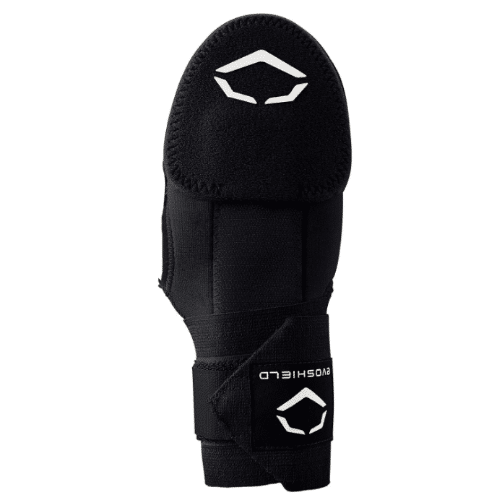
The EvoShield Sliding Mitt has become a must-have accessory for travel ball players — and for good reason. It’s built to protect fingers, thumbs, and wrists from jams, cleat scrapes, and awkward tags that can turn an aggressive slide into a painful trip to the bench.
With protective plates on both sides of the hand, a stabilization strip, and a snug compression fit, this mitt delivers serious protection without feeling bulky. The secure Velcro strap keeps it locked in place, and kids love that it fits like a glove (literally), so it won’t slow them down on the bases.
Players often stash it in their back pocket and slip it on when it’s go-time, and parents appreciate the peace of mind knowing their kid’s hands are protected. Yes, it can get a little warm in the summer heat, but most families agree it’s worth it for the confidence it gives on the basepaths.
And let’s be honest — seeing MLB stars like Fernando Tatis Jr. and Ronald Acuña Jr. wearing one makes kids feel like they’re part of the show every time they slide.
What They’re Saying: Parents love the injury prevention, and kids love the swagger boost it gives them on the bases.
Pros:
- Excellent protection for fingers, wrist, and thumb during slides
- Snug, comfortable fit with secure strap
- Confidence booster with a pro-level look
Cons:
- Can get warm in hot weather
- Only useful if sliding is part of your player’s game
5. Bottom Line: For about $50, this is an easy upgrade that pays off in both protection and confidence — keeping kids safe and fired up to steal that next bag.
FAQs: Transitioning from Little League to Travel Ball
Q1: Does my player really need a BBCOR bat for travel ball?
Most 13U and older leagues do require BBCOR bats, so it’s smart to invest early. This gives your player time to adjust to the slightly heavier swing weight before high school ball.
Q2: Should I buy a pro-level glove like an A2000 right away?
Not necessarily. Great mid-tier gloves like the Wilson A1000 or Rawlings R9 offer excellent performance, shorter break-in times, and friendlier price tags. You can always upgrade later as your player grows.
Q3: How do I know what size glove my child needs?
As a rule of thumb, infielders usually use 11.25″–11.75″ gloves, while outfielders often go 12″–12.5″. Look for youth or “Pedroia Fit” options to ensure a snug, controllable fit for younger hands.
Q4: Are sliding mitts allowed in every league?
Most travel ball leagues allow sliding mitts, but it’s always worth double-checking your league rules. They’re most helpful if your player frequently slides head-first or aggressively takes extra bases.
Q5: How long will these bats and gloves last?
With proper care, BBCOR bats can last multiple seasons, and gloves like the A1000 or R9 can hold up for 1–2+ seasons depending on how often your player practices and plays.
Q6: How much should I budget for a travel ball gear upgrade?
Plan to spend about $500–$800 for a full upgrade (bat, glove, mitt, and accessories) if you stick with mid-range gear. Higher-end bats and gloves can push that total closer to $1,000.
Conclusion
Making the jump from Little League to travel ball is a big milestone — and it’s about more than just facing tougher pitching. It’s about setting your player up for success with gear that builds confidence, keeps them safe, and helps them play their best game.
A great bat can turn solid contact into extra-base hits, the right glove helps field cleanly and build good habits, and a sliding mitt keeps hands protected so kids can run the bases without hesitation.
These five picks balance performance, durability, and value, making them smart investments for families who want to support their player’s next step without overspending. Equip them well, and they’ll take the field ready to compete — and have a blast doing it.