
How Emotion-Sensing Wearables Are Changing Coaching
Let’s be real—coaching youth baseball isn’t just about mechanics anymore.
It’s about helping kids handle the highs, the slumps, the jitters, and the pressure.
But what if you could see when your player’s confidence is cracking—or catch a stress spike before it leads to a meltdown?
Enter emotion-sensing wearables.
Tools that are giving us real-time windows into a young athlete’s mental game.
💡 Disclosure: This page contains affiliate links. If you make a purchase through one of these links, I may earn a commission—at no extra cost to you. As an Amazon Associate, I earn from qualifying purchases.
🧰 Meet the New Tools
Wearables like FocusCalm, Muse 2, and WHOOP aren’t just for fitness influencers anymore.
They’re tracking brain activity, heart rate variability (HRV), and stress markers—giving parents and coaches new insight into what’s happening inside a young athlete’s mind and body.
- FocusCalm: EEG headband that measures brainwaves tied to calm and concentration.
- Muse 2: Tracks brain activity, breathing, and sleep—great for guided meditation and emotional reset.
- WHOOP 4.0: Measures HRV, strain, sleep, and recovery to flag physical and emotional fatigue.
⚠️ Let’s clear something up: Wearables like FocusCalm, Muse, and WHOOP aren’t technically “emotion detectors.”
They don’t tell you if a player is mad, sad, or bored.
But they do track the signals—like brain activity, HRV, and stress—that often go hand-in-hand with emotional swings.
You’re not reading their mind. You’re reading their readiness.
Why This Matters—Now More Than Ever
They’re coming fast—and they’re changing the game.
For coaches, parents, and players chasing an edge, this is how you stay ahead—without losing sight of what matters most: the kid.
1. Making Emotions Measurable and Actionable
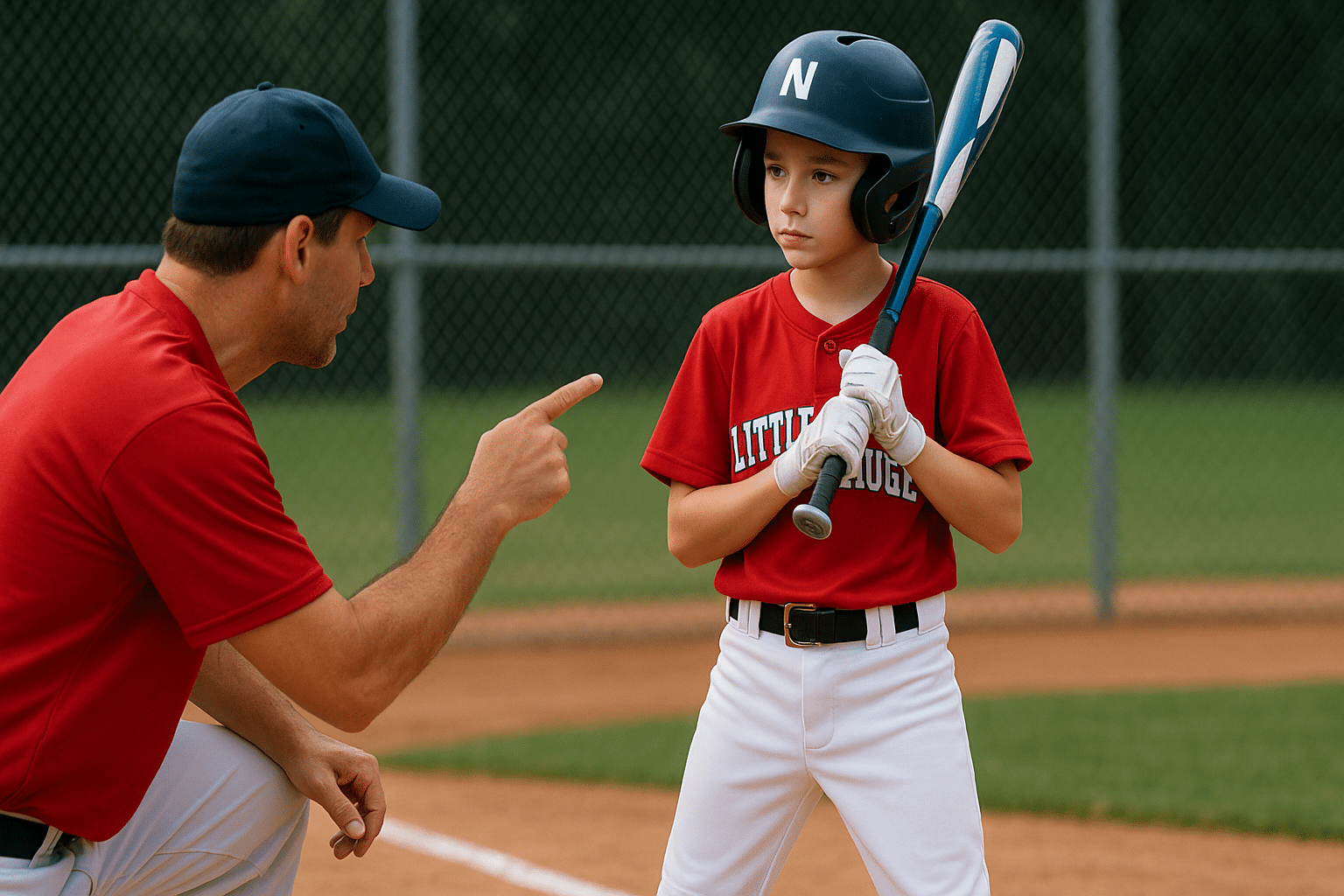
Let’s face it—most 11-year-olds don’t walk up and say, “Coach, I’m mentally stressed.”
But their bodies do say it—through HRV drops, shallow breathing, or scattered focus.
These wearables capture that data.
It’s like having a stress radar in your back pocket.
2. Building Mental Resilience and Self-Regulation
When kids see what their brain and body are doing under pressure, they start to own their response.
FocusCalm and Muse walk them through calming drills and guided resets—turning tough moments into training tools.
3. Revealing Patterns and Informing Coaching Decisions
Maybe your shortstop’s stress spikes in late innings.
Maybe your pitcher crashes after a sleepover.
With wearables, you’re not guessing.
You’ve got data to guide conversations, adjust routines, and protect recovery.
4. Normalizing and Training the Mental Game
This is the real shift: treating mindset like any other baseball skill—coachable, trackable, improvable.
That removes the stigma around pressure and focus struggles.
Kids learn it’s okay to feel overwhelmed—and better yet, that they can manage it.
“It’s not about fixing the kid—it’s about understanding them.”

- These wearables work even better alongside:
- 🧘♂️ Reset routines (a glove tap, a breath, a step off the mound)
- 🎯 Visualization (can be guided via apps)
- 🌬️ Breathwork (Muse + FocusCalm shine here)
- 🗣️ Positive self-talk (reinforced by coaches and parents)
- • • 📓 Progress journals (combine wearable data + personal notes)
We’re not flying blind anymore. You’re coaching with a compass.
Coaching Smarter: 4 Key Tips
🧠 Tip #1: Spot the Tension Early
Wearables show stress before it spills over.
That gives you time to reset, not react
🎯 Tip #2: Let the Data Start the Talk
“Hey, I saw your focus dipped a bit during warmups—how were you feeling?”
It’s a conversation starter, not a callout..
🛠️ Tip #3: Build Custom Reset Rituals
A deep breath, a helmet tap, a glove squeeze—create go-to moves kids can trust under pressure.
📉 Tip #4: Log, Reflect, Adjust
One bad day? No biggie.
But when patterns show up, you’ve got smart, actionable feedback.
Where They’re Showing Up Now
While Little League hasn’t fully adopted these tools yet, they’re gaining traction in travel ball and private training programs.
- WHOOP is popular with travel teams and parents tracking recovery and sleep.
- FocusCalm is a favorite among youth pitchers for mid-bullpen resets.
- Muse is still more common in elite athlete circles, but the science behind it is tailor-made for baseball’s mental grind.
⚠️ These devices aren’t used during official Little League games yet—but they’re quickly becoming part of the next-gen coaching toolkit.
🙌 Confidence Is a Skill
Emotion isn’t weakness—it’s part of the game.
Learning to manage it? That’s what separates the great players from the frustrated ones.